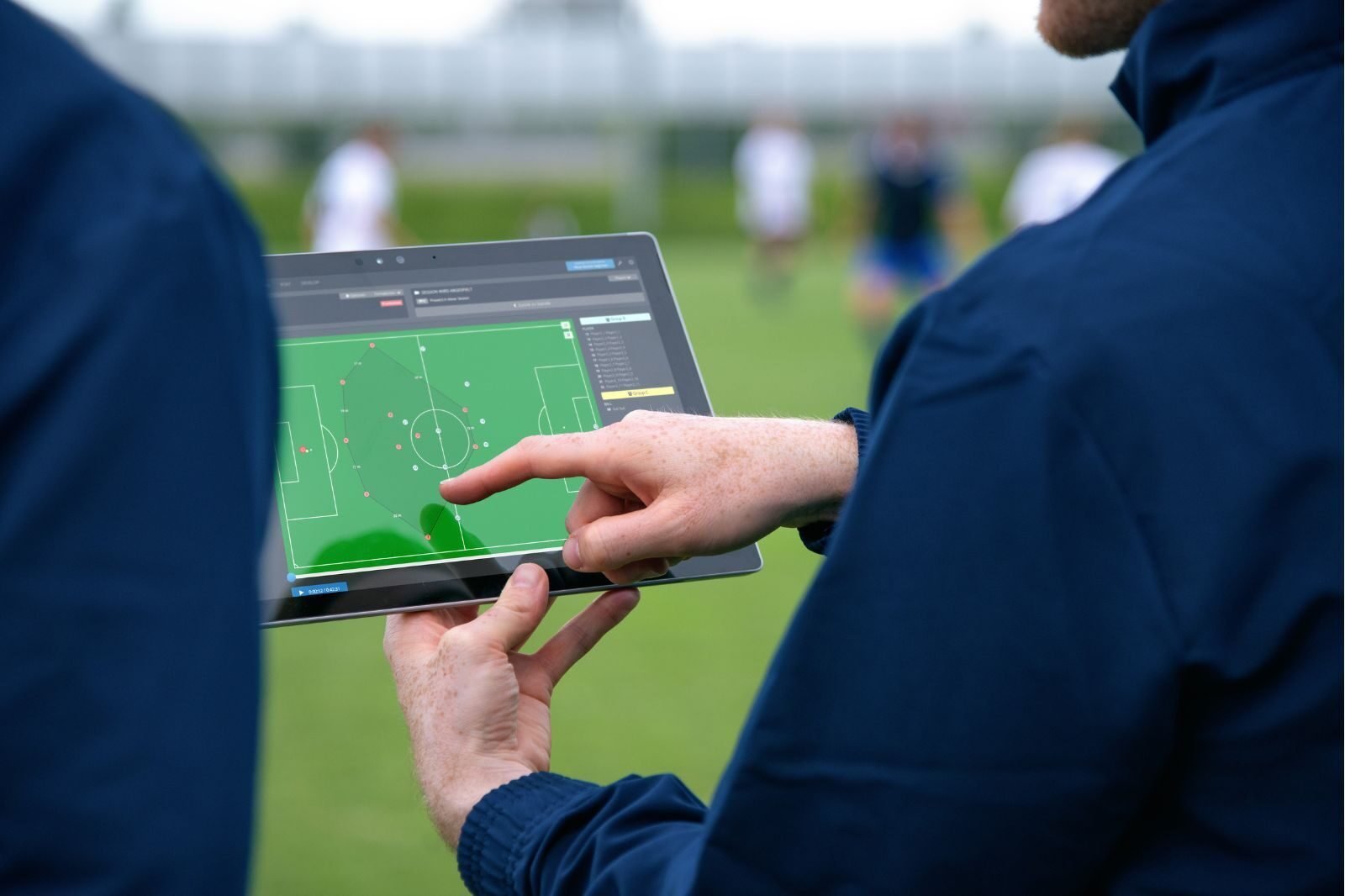
Sports Data Analysis – Transforming the Way Games Are Played and Understood!
Sports data analysis has become one of the most important tools in modern sports. From professional leagues to college teams and even amateur levels, data is now used to improve performance, plan strategies, prevent injuries, and enhance fan engagement. What once relied mainly on intuition and experience is now supported by numbers, statistics, and advanced technology.
As sports continue to evolve, sports data analysis plays a major role in shaping decisions both on and off the field.
What Is Sports Data Analysis?
Sports data analysis is the process of collecting, studying, and interpreting data related to sports performance. This data can include player statistics, team performance, game strategies, physical metrics, and even fan behavior.
Analysts use this information to identify patterns, strengths, weaknesses, and opportunities for improvement. The goal is to make better decisions that lead to improved results and competitive advantage.
Types of Data Used in Sports Analysis:
Performance Data
Performance data includes statistics such as goals scored, passes completed, shooting accuracy, speed, and endurance. This data helps coaches and players understand how well they are performing during games and training sessions.
Biometric and Physical Data
Modern sports use wearable technology to track heart rate, movement, fatigue, and recovery. This information helps prevent injuries and manage player workload.
Tactical and Strategic Data
Tactical data focuses on formations, play patterns, and decision-making during games. Analysts study this data to refine strategies and adjust game plans.
Fan and Business Data
Sports data analysis also includes ticket sales, viewership, social media engagement, and merchandise trends. Teams use this data to improve fan experiences and increase revenue.
How Does Sports Data Analysis Works?
Sports data analysis starts with data collection. This data is gathered from cameras, sensors, wearables, GPS trackers, and official statistics.
Once collected, the data is processed using software tools that organize and visualize the information. Analysts then interpret the data to generate insights that coaches, players, and management can use.
Advanced sports data analysis often uses artificial intelligence and machine learning to predict outcomes and identify hidden patterns.
Benefits of Sports Data Analysis:
Improved Player Performance
By analyzing individual player data, coaches can tailor training programs to address weaknesses and enhance strengths. Players can track progress and adjust their techniques.
Better Team Strategies
Sports data analysis helps teams understand opponents’ habits and tendencies. This allows coaches to develop more effective game plans and make real-time adjustments.
Injury Prevention
Monitoring physical data helps identify signs of fatigue or overuse. Teams can rest players before injuries occur, extending careers and maintaining peak performance.
Smarter Recruitment
Teams use data analysis to evaluate potential players based on performance metrics rather than reputation alone. This leads to smarter scouting and transfer decisions.
Enhanced Fan Engagement
Data helps teams understand fan preferences, leading to better marketing, personalized content, and improved viewing experiences.
Sports Data Analysis in Different Sports:
Football (Soccer)
In football, sports data analysis tracks player movement, passing accuracy, pressing intensity, and tactical formations. Coaches use this data to optimize team performance.
Basketball
Basketball teams analyze shooting percentages, defensive efficiency, player spacing, and lineup combinations to maximize scoring and defensive impact.
Cricket
Cricket uses data analysis for batting techniques, bowling speeds, pitch conditions, and opposition weaknesses.
American Football
In American football, data analysis plays a major role in play-calling, player matchups, and injury management.
Tennis and Individual Sports
Athletes analyze serve speed, shot placement, stamina, and opponent patterns to improve performance.
Role of Technology in Sports Data Analysis:
Technology is the backbone of modern sports data analysis. Tools such as video analysis software, GPS trackers, wearable sensors, and AI-driven platforms collect and analyze large volumes of data.
Cloud-based systems allow teams to access data in real time, even during live games. Visualization tools turn complex data into easy-to-understand charts and graphs.
Challenges in Sports Data Analysis:
Despite its advantages, sports data analysis has challenges:
- Data accuracy and reliability
- High costs of technology
- Interpreting large datasets correctly
- Balancing data with human judgment
Data alone cannot replace experience. Successful teams combine data insights with coaching expertise.
Ethics and Privacy in Sports Data Analysis:
As data collection grows, privacy concerns increase. Player biometric data is highly sensitive and must be protected. Teams must follow ethical guidelines and data protection laws to ensure fair use of information.
Transparency and consent are key factors in responsible sports data analysis.
Careers in Sports Data Analysis:
Sports data analysis has opened new career opportunities. Roles include:
- Sports data analyst
- Performance analyst
- Data scientist
- Video analyst
These professionals work with teams, leagues, broadcasters, and sports technology companies.
Sports Data Analysis and Betting:
Sports data analysis also influences sports betting and predictions. Bettors use statistical models to estimate probabilities and make informed decisions. However, outcomes are never guaranteed, as sports remain unpredictable.
FAQ’s:
1. What is sports data analysis?
Sports data analysis is the study of sports-related data to evaluate player performance, team strategies, injuries, and overall game outcomes.
2. How is sports data analysis used by teams?
Teams use sports data analysis to improve training, plan strategies, prevent injuries, scout players, and make better in-game decisions.
3. What technology is used in sports data analysis?
Common technologies include wearable sensors, GPS trackers, video analysis software, artificial intelligence, and data visualization tools.
4. Can sports data analysis predict game results?
Sports data analysis can estimate probabilities and trends, but it cannot guarantee results because sports outcomes depend on many unpredictable factors.
5. Is sports data analysis only for professional sports?
No, sports data analysis is used at all levels, including college, amateur, and youth sports, as well as for fan engagement and sports business decisions.
Conclusion:
Sports data analysis has revolutionized the sports world. By turning raw data into valuable insights, teams gain a competitive edge, players improve performance, and fans enjoy richer experiences.
As technology advances, sports data analysis will continue to shape the future of sports, blending numbers, strategy, and human passion into a powerful force that changes how games are played and understood.