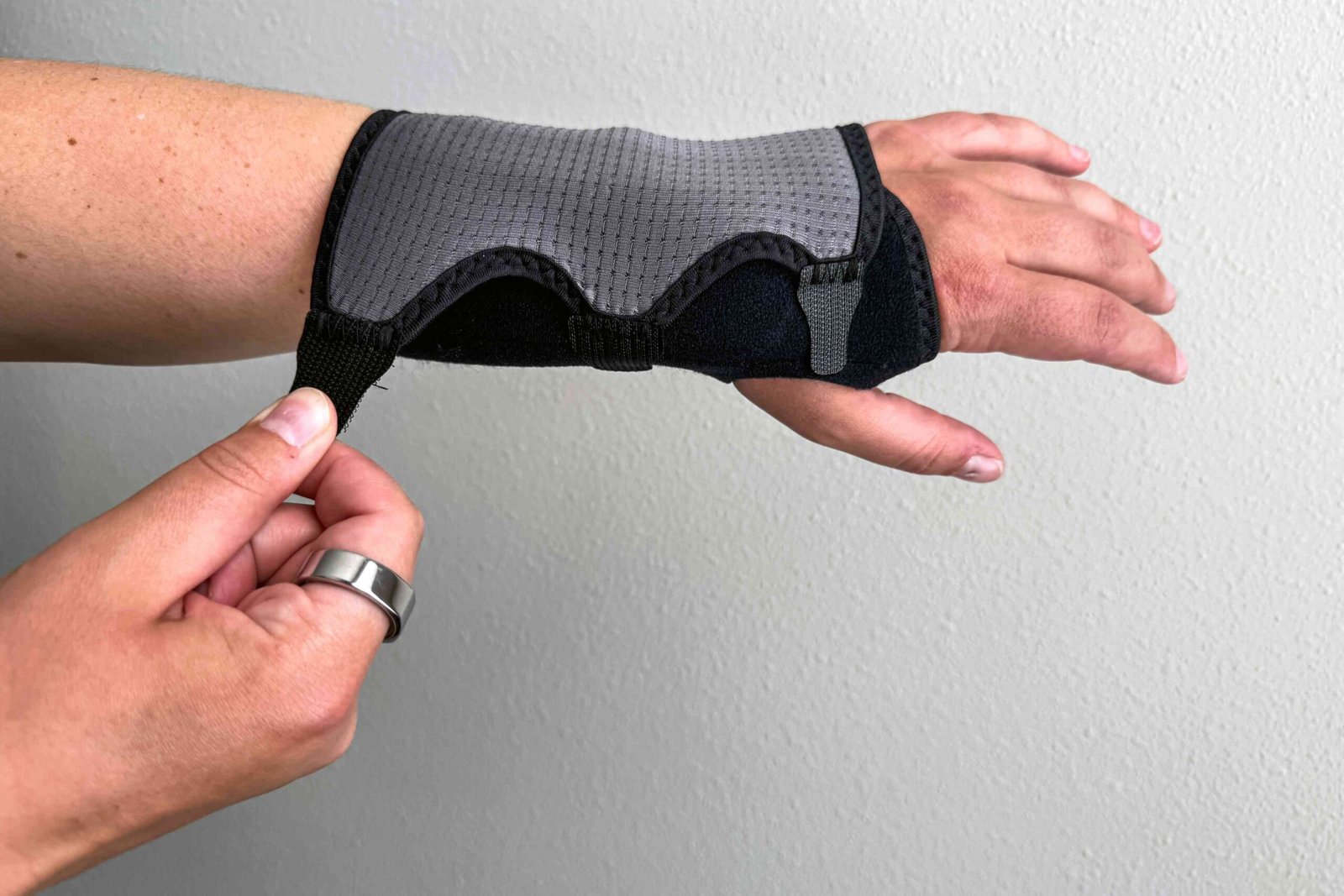
Wrist Support with Splint for Carpal Tunnel – Relief, Stability, and Everyday Comfort!
Carpal tunnel syndrome is one of the most common conditions affecting the hands and wrists today. With long hours spent typing, texting, driving, or performing repetitive tasks, many people experience numbness, tingling, weakness, or pain in the hand and wrist. A wrist support with a splint is one of the most recommended non-surgical solutions for managing carpal tunnel symptoms and preventing further strain.
This simple yet effective device helps stabilize the wrist, reduce pressure on the median nerve, and provide comfort during both activity and rest. Whether you work at a computer all day or perform manual labor, a wrist splint can play an important role in recovery and pain relief.
Understanding Carpal Tunnel Syndrome:
The carpal tunnel is a narrow passageway in the wrist made of bones and ligaments. The median nerve, which controls sensation and movement in parts of the hand, passes through this tunnel. When the surrounding tissues become inflamed or swollen, they put pressure on the nerve. This leads to symptoms such as:
- Tingling or numbness in the thumb, index, and middle fingers
- Wrist pain that may travel up the arm
- Weak grip strength
- A “pins and needles” feeling, especially at night
Without treatment, symptoms can worsen over time. That’s why early intervention, including wrist support, is often recommended.
What Is a Wrist Support with Splint?
A wrist support with splint is a brace designed to hold your wrist in a neutral, straight position. It usually includes:
- A firm or semi-rigid splint (often metal or plastic)
- Adjustable straps for a secure fit
- Breathable fabric for comfort
- Padding around pressure points
The splint prevents your wrist from bending too far forward or backward, which reduces strain on the median nerve inside the carpal tunnel.
How a Wrist Splint Helps with Carpal Tunnel?
1. Keeps the Wrist in a Neutral Position
Bending the wrist increases pressure in the carpal tunnel. A splint keeps the wrist straight, reducing nerve compression and allowing inflamed tissues to rest and heal.
2. Reduces Nighttime Symptoms
Many people unknowingly curl their wrists while sleeping, which worsens numbness and pain at night. Wearing a wrist splint during sleep helps prevent this, leading to better rest and fewer symptoms in the morning.
3. Supports Daily Activities
For people who type, use tools, or perform repetitive motions, a splint provides extra stability. This reduces strain and helps prevent symptom flare-ups during work or chores.
4. Encourages Healing
By limiting harmful wrist movements, the splint gives irritated tendons and nerves a chance to recover without constant stress.
When Should You Use a Wrist Splint?
A wrist splint can be helpful in several situations:
- Early-stage carpal tunnel symptoms
- Mild to moderate pain or tingling
- Nighttime numbness
- Repetitive strain from work or hobbies
- Post-injury wrist support
Choosing the Right Wrist Support:
Not all wrist braces are the same. Here’s what to look for:
Proper Fit
A splint should be snug but not too tight. It should stabilize the wrist without cutting off circulation or causing discomfort.
Adjustable Straps
Velcro or adjustable straps allow you to customize the tightness and ensure consistent support throughout the day.
Breathable Material
Look for moisture-wicking, breathable fabrics to prevent sweating and skin irritation during extended wear.
Rigid or Semi-Rigid Splint
A firm splint provides better immobilization, which is important for carpal tunnel relief. Some braces have removable splints for flexibility.
Right or Left Hand Design
Many splints are designed specifically for one hand, so be sure to choose the correct side.
How to Wear a Wrist Splint Properly?
Using the splint correctly is key to getting relief:
- Position your wrist straight before fastening the brace.
- Secure the straps so the brace feels supportive but comfortable.
- Avoid overtightening, which can restrict blood flow.
- Wear at night if nighttime symptoms are present.
- Use during repetitive tasks that trigger discomfort.
Daytime vs. Nighttime Use:
Nighttime Use
This is the most common and effective time to wear a splint. Keeping the wrist straight while sleeping reduces nerve pressure and often relieves morning stiffness and tingling.
Daytime Use
Wearing a splint during activities like typing or lifting can help, but it shouldn’t completely replace normal movement. Overuse may lead to stiffness, so balance support with gentle stretching and movement.
Additional Treatments to Combine with Splinting:
A wrist splint works best when paired with other supportive strategies:
- Ergonomic adjustments to your desk or workstation
- Stretching and strengthening exercises for the wrist and hand
- Frequent breaks from repetitive tasks
- Cold packs to reduce inflammation
- Anti-inflammatory medications if recommended by a doctor
Lifestyle changes, like improving posture and reducing strain, can also make a big difference.
When to See a Doctor?
While wrist supports are helpful, they are not a cure for severe cases. You should seek medical advice if:
- Symptoms last more than a few weeks
- Pain becomes severe
- Hand weakness increases
- You frequently drop objects
- Numbness becomes constant
Benefits of Wrist Supports Beyond Carpal Tunnel:
Wrist splints are also useful for:
- Tendonitis
- Wrist sprains
- Arthritis-related wrist pain
- Recovery after minor injuries
FAQ’s:
1. What does a wrist splint do for carpal tunnel?
It keeps the wrist in a neutral position to reduce pressure on the median nerve.This helps relieve pain, numbness, and tingling.
2. Should I wear a wrist splint all day?
Most people benefit most from wearing it at night and during activities that cause strain.Wearing it nonstop may lead to stiffness, so balance is important.
3. How tight should a wrist brace be?
It should feel snug and supportive without cutting off circulation.If your fingers tingle, turn pale, or feel cold, loosen it.
4. Can a wrist splint cure carpal tunnel syndrome?
A splint helps manage symptoms and prevent worsening but may not cure severe cases.Medical treatment may still be needed if symptoms persist.
5. How long does it take to feel relief?
Some people notice improvement within days, especially with nighttime use.For others, consistent use over several weeks may be needed.
Final Thoughts:
A wrist support with splint for Carpal Tunnel is a simple, affordable, and effective way to manage carpal tunnel symptoms. By keeping the wrist in a neutral position, reducing strain, and preventing harmful movements, it helps relieve pain and supports healing.