Pravi Celer: The Complete Guide to the True Celery
In recent years, interest in traditional foods and authentic ingredients has grown rapidly as people seek healthier and more meaningful lifestyles. One term that keeps appearing across wellness, nutrition, and cultural discussions is pravi celer, a phrase that literally translates to “true celery.” This concept goes far beyond an ordinary green vegetable and reflects purity, heritage, and natural value. In this in-depth guide, we explore everything you need to know about pravi celer, from its origins and nutritional profile to its health benefits, culinary uses, and symbolic importance in modern life.
AlsoRead: sports-data-analysis/
Origins and Meaning of Pravi Celer
The term pravi celer originates from South Slavic languages such as Serbian, Croatian, and Bosnian, where “pravi” means real or genuine, and “celer” means celery. Historically, it was used to distinguish naturally grown celery from inferior or overly commercialized varieties. Unlike mass-produced celery bred mainly for size and shelf life, pravi celer represents celery grown with respect for soil, climate, and traditional farming methods. This meaning has allowed the term to evolve beyond agriculture into a broader symbol of authenticity and quality.
Botanical Background and Classification
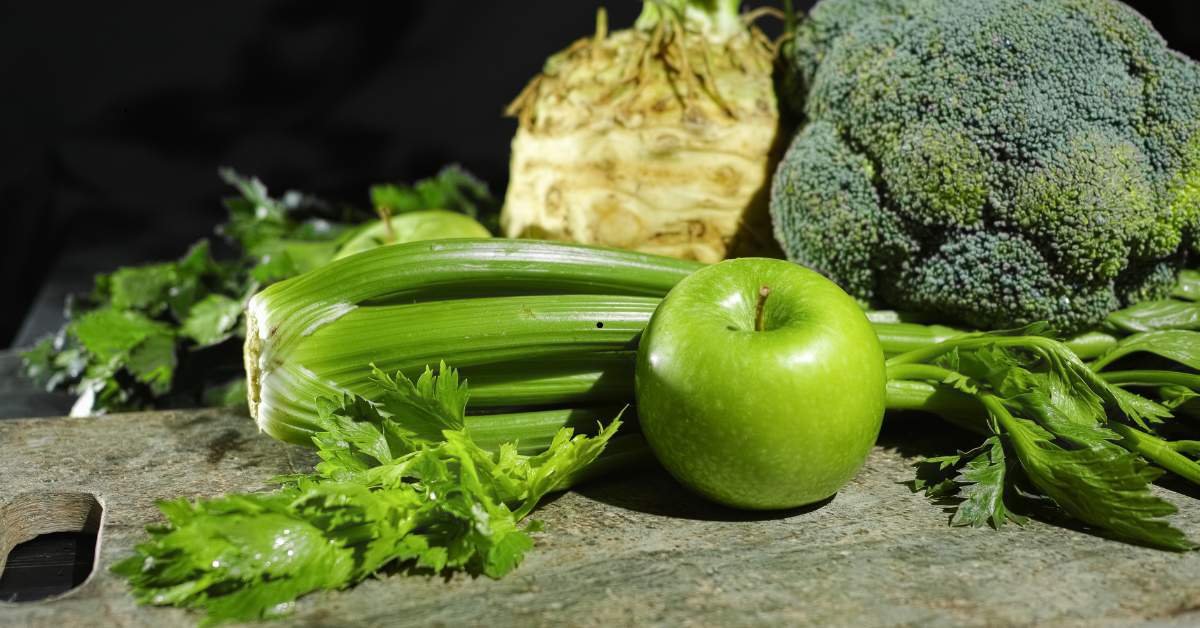
Celery belongs to the species Apium graveolens within the Apiaceae family. This family also includes carrots, parsley, and fennel. Botanically, celery is classified as a biennial plant, although it is often grown as an annual crop. Traditional varieties include leaf celery, stalk celery, and celeriac, all of which have been cultivated for centuries in Mediterranean and European regions. These varieties are known for stronger aroma, deeper flavor, and higher nutrient density compared to heavily modified commercial types.
Nutritional Profile of True Celery
One of the main reasons true celery is highly valued is its impressive nutritional composition. Celery is naturally low in calories, containing roughly 14 kcal per 100 grams, making it ideal for weight-conscious diets. It provides dietary fiber, which supports digestion and gut health, along with essential vitamins such as vitamin K, vitamin C, and several B-complex vitamins. Minerals like potassium, calcium, and magnesium are also present, contributing to electrolyte balance and bone strength. When people refer to naturally grown celery, they often emphasize produce that retains these nutrients due to minimal processing and traditional cultivation methods.
Health Benefits Backed by Tradition and Science
For centuries, traditional medicine systems across Europe and the Mediterranean have used celery for its therapeutic properties. Modern research now supports many of these uses. Celery contains antioxidant compounds, including flavonoids and polyphenols, which help combat oxidative stress. Its anti-inflammatory properties may assist in reducing joint discomfort and supporting cardiovascular health. Additionally, celery contains natural compounds that can support healthy blood pressure levels by promoting improved blood vessel function. Regular consumption is often associated with better hydration, detoxification support, and overall metabolic balance.
Digestive and Metabolic Support
Another important benefit of celery lies in its positive effect on digestion. The fiber content aids regular bowel movements, while natural plant compounds stimulate digestive enzymes. Celery has traditionally been used to ease bloating and mild digestive discomfort. Furthermore, its low glycemic load makes it suitable for people managing blood sugar levels. By incorporating celery into daily meals, many individuals experience improved digestion without the heaviness associated with processed foods.
Culinary Uses Across Cultures
Celery has long been a staple in kitchens worldwide, standing out for its intense flavor and aroma when grown naturally. In traditional European cooking, it forms the base of soups, stews, and broths, often combined with carrots and onions. Leaf celery is commonly used fresh in salads, while the root variety, celeriac, is roasted or mashed. Naturally cultivated celery delivers a richer taste that enhances dishes without the need for artificial seasonings. From simple home recipes to gourmet cuisine, its versatility makes it a favorite among chefs and home cooks alike.
Cultural and Symbolic Importance
Beyond nutrition and cooking, celery carries cultural significance. In many regions, it symbolizes honesty, simplicity, and respect for nature. This is why it has been embraced by wellness and lifestyle movements that promote choosing quality over quantity. Just as traditional celery is valued for what it naturally offers, this philosophy encourages people to seek authenticity in food, travel, fashion, and everyday life, reflecting values of sustainability, transparency, and mindful living.
Also Read: how-nfl-preseason-performances-are-shaping-odds-ahead-of-week-1/
Celery in Modern Wellness Trends
As clean eating and holistic wellness continue to grow in popularity, celery has secured a place in modern health trends. Celery juices, detox beverages, and plant-based diets often highlight naturally grown celery as a core ingredient. Unlike temporary food trends, celery has a long history of use, making it a reliable link between ancient dietary wisdom and contemporary nutrition. Its simplicity is part of its appeal, offering genuine benefits without exaggerated claims.
Sustainability and Natural Farming
Another reason celery resonates with modern consumers is its strong connection to sustainable agriculture. Traditional cultivation methods focus on soil health, crop rotation, and minimal chemical use. This approach not only helps preserve nutritional value but also supports environmental balance. Choosing naturally grown celery aligns with eco-conscious values and supports farmers who prioritize long-term sustainability over short-term profit.
Frequently Asked Questions
1. What does the term “true celery” actually mean?
It refers to celery grown naturally using traditional methods, emphasizing authenticity, flavor, and nutritional value.
2. Is celery good for weight management?
Yes, celery is low in calories and high in water and fiber, making it helpful for feeling full while consuming fewer calories.
3. Can celery be eaten raw and cooked?
Absolutely. Celery can be enjoyed raw in salads and juices or cooked in soups, stews, and roasted dishes.
4. Does celery have medicinal benefits?
Traditionally, celery has been used to support digestion, reduce inflammation, and promote overall wellness.
5. How should celery be stored to keep it fresh?
Store celery in the refrigerator, preferably wrapped in a damp cloth or sealed container, to maintain freshness and crunch.
Conclusion: Why Pravi Celer Truly Matters
In a world filled with processed foods and artificial enhancements, Pravi Celer stands as a reminder of the value of authenticity. It is more than just celery; it is a symbol of natural nutrition, cultural heritage, and mindful living. By understanding its origins, health benefits, and broader meaning, we can appreciate why Pravi Celer continues to gain recognition across health, culinary, and lifestyle spaces. Choosing true celery is ultimately about choosing what is real, nourishing, and timeless.
Also Read:
- Medical Malpractice Attorney: Everything You Need to Know Before Filing a Claim
- Cloud Connected Audio: The Future of Smart Sound Systems
- Instructional Technology Services: A Complete Guide for Modern Learning
- Sports Basement: Everything You Need to Know Before You Shop
- Business Lawyer: Why Every Business Needs Legal Support