Achieving the Power of Game Predictions – Complete Guide!
In today’s fast-evolving gaming landscape, the concept of game predictions has become increasingly popular among players seeking an edge. Whether in competitive esports, sports betting, or casino-style games, prediction strategies are often seen as a way to improve outcomes and make more informed decisions. However, achieving the true power of game predictions requires more than guesswork—it involves understanding patterns, analyzing data, managing risk, and maintaining discipline.
Achieving the Power of Game Predictions are not about guaranteeing wins. Instead, they are about increasing the probability of making better decisions over time. When approached correctly, predictions can transform how players engage with games, shifting their mindset from random participation to strategic thinking.
Understanding Game Predictions:
At its core, game prediction is the process of anticipating outcomes based on available information. This information may include past performance, statistical trends, player behavior, or game mechanics. The more accurate and relevant the data, the stronger the prediction.
For example, in skill-based games, predictions often rely on analyzing player performance and strategies. In chance-based games, predictions may focus more on probability and risk management rather than certainty. Recognizing the type of game you are dealing with is the first step toward making meaningful predictions.
The Role of Data and Analysis:
Data is the foundation of effective game predictions. Without it, predictions become mere guesses. Successful players often rely on historical data, patterns, and trends to guide their decisions.
In competitive environments, this might involve studying previous matches, player statistics, or team performance. In casino-style games, it could mean understanding payout structures, volatility, and probabilities. The key is not just collecting data but interpreting it correctly.
However, it is important to avoid over-reliance on patterns. Not all trends are reliable, especially in games driven by randomness. A balanced approach that combines data with critical thinking is essential.
Skill vs Chance: Knowing the Difference
One of the most important aspects of game prediction is understanding whether a game is skill-based or chance-based.
In skill-based games, predictions can be highly effective because outcomes are influenced by player decisions and abilities. The more you learn about strategies and gameplay mechanics, the better your predictions become.
In contrast, chance-based games limit the effectiveness of predictions. While probability can guide decisions, outcomes remain uncertain. In such cases, the goal shifts from predicting exact results to managing risk and making smarter choices over time.
Recognizing this distinction prevents unrealistic expectations and helps players adopt the right approach.
Risk Management and Discipline:
Achieving the Power of Game Predictions is not just about making accurate forecasts—it is also about managing risk. Even the best predictions can fail, and without proper discipline, losses can quickly outweigh gains.
Effective risk management includes setting limits, controlling bet sizes, and knowing when to stop. Players who succeed in prediction-based gaming understand that consistency is more important than short-term wins.
Discipline also plays a crucial role. Emotional decisions often lead to poor outcomes, especially after losses or unexpected results. Staying calm and sticking to a strategy is key to long-term success.
Psychological Factors in Predictions:
Human psychology has a significant impact on game predictions. Cognitive biases, such as overconfidence or the illusion of control, can distort judgment and lead to incorrect decisions.
For instance, players may believe they can predict random outcomes based on recent events, even when no real pattern exists. This can create false confidence and risky behavior.
To achieve the true power of predictions, players must remain objective. This means questioning assumptions, avoiding impulsive decisions, and recognizing when emotions are influencing choices.
Tools and Technology:
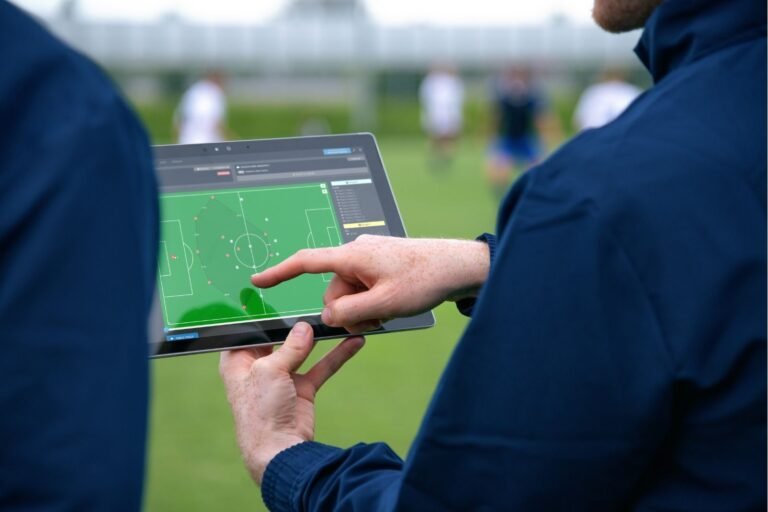
Modern technology has greatly enhanced the ability to make game predictions. From statistical software to AI-driven analytics, players now have access to tools that can process large amounts of data quickly and accurately.
These tools can identify patterns, calculate probabilities, and provide insights that would be difficult to achieve manually. However, they should be used as support rather than a replacement for critical thinking.
Relying solely on automated predictions can be risky, especially if the underlying data or assumptions are flawed. The best results come from combining technology with human judgment.
Common Mistakes to Avoid:
Many players attempt to use game predictions but fail due to common mistakes. One of the biggest errors is believing that predictions guarantee success. No method can eliminate uncertainty entirely.
Another mistake is chasing losses. After a failed prediction, players may try to recover quickly by taking bigger risks, often leading to further losses. This behavior undermines any strategic approach.
Additionally, ignoring the nature of the game can lead to poor decisions. Applying prediction strategies designed for skill-based games to chance-based games rarely produces good results.
Avoiding these mistakes is essential for building a sustainable approach to predictions.
Building a Predictive Mindset:
Developing strong prediction skills requires practice and patience. It involves continuously learning, analyzing outcomes, and refining strategies.
A predictive mindset focuses on long-term improvement rather than immediate results. Players who adopt this mindset are more likely to adapt, learn from mistakes, and make better decisions over time.
Keeping records of predictions and outcomes can also be helpful. This allows players to evaluate their performance and identify areas for improvement.
The Balance Between Strategy and Enjoyment:
While game predictions can enhance performance, it is important to maintain a balance between strategy and enjoyment. Games are ultimately a form of entertainment, and focusing too much on outcomes can reduce the fun.
Players should approach predictions as a tool to improve decision-making, not as a guarantee of success. Maintaining realistic expectations ensures a healthier and more enjoyable gaming experience.
FAQ’s:
1. What are game predictions?
Game predictions refer to the process of analyzing data, patterns, and probabilities to anticipate the outcome of a game or event. They help players make more informed decisions rather than relying purely on guesswork.
2. Can game predictions guarantee winning?
No, game predictions cannot guarantee wins. They only improve the chances of making better decisions, but uncertainty and risk are always involved, especially in chance-based games.
3. Are game predictions based on skill or luck?
Game predictions can involve both. In skill-based games, predictions rely more on analysis and strategy, while in chance-based games, they depend largely on probability and luck.
4. What is the biggest mistake in game predictions?
One of the biggest mistakes is believing predictions are always accurate. Overconfidence, ignoring risk management, and chasing losses can lead to poor decisions and losses.
5. How can I improve my game prediction skills?
You can improve by studying game mechanics, analyzing past results, managing your risk, staying disciplined, and continuously learning from your successes and mistakes.
Conclusion:
Achieving the power of game predictions is a journey that combines knowledge, analysis, discipline, and self-awareness. It is not about eliminating uncertainty but about making smarter, more informed decisions over time.
By understanding the nature of the game, using data effectively, managing risk, and avoiding common pitfalls, players can significantly enhance their predictive abilities. Whether in competitive gaming or chance-based environments, the principles remain the same.