The Differences Between the Gems and Mines Casino Game and the Classic Minesweeper!
Games have always reflected the evolution of technology and player expectations — from simple logic puzzles to sophisticated digital experiences that combine entertainment with potential rewards. Two such games that share surface similarities but differ greatly in purpose, mechanics, and audience are the Gems and Mines casino game and the classic Minesweeper.
While both games incorporate a grid and hidden tiles, they belong to fundamentally different worlds: one is a game of chance and wagering, and the other is a logic-based puzzle rooted in deduction and strategy. Understanding the differences between these two games not only sheds light on how games have adapted to modern platforms but also helps players appreciate each for what it uniquely offers.
Origins and Purpose:
Classic Minesweeper
Minesweeper is a staple of computer gaming history, widely known for its inclusion in Microsoft Windows operating systems throughout the 1990s and early 2000s. Its origins go back to early puzzle games and it became a ubiquitous part of personal computing culture. The objective is purely intellectual: deduce the locations of hidden mines on a grid based on numerical clues. There is no wagering, monetary rewards, or real-world stakes involved — just the satisfaction of completing the puzzle.
Minesweeper’s appeal lies in its elegant simplicity and the clear logic that governs success. The player starts with a blank grid and clicks tiles to reveal either a number (indicating adjacent mines) or a mine (which ends the game). The challenge is to use deduction to avoid the mines and uncover all safe tiles.
Gems and Mines Casino Game
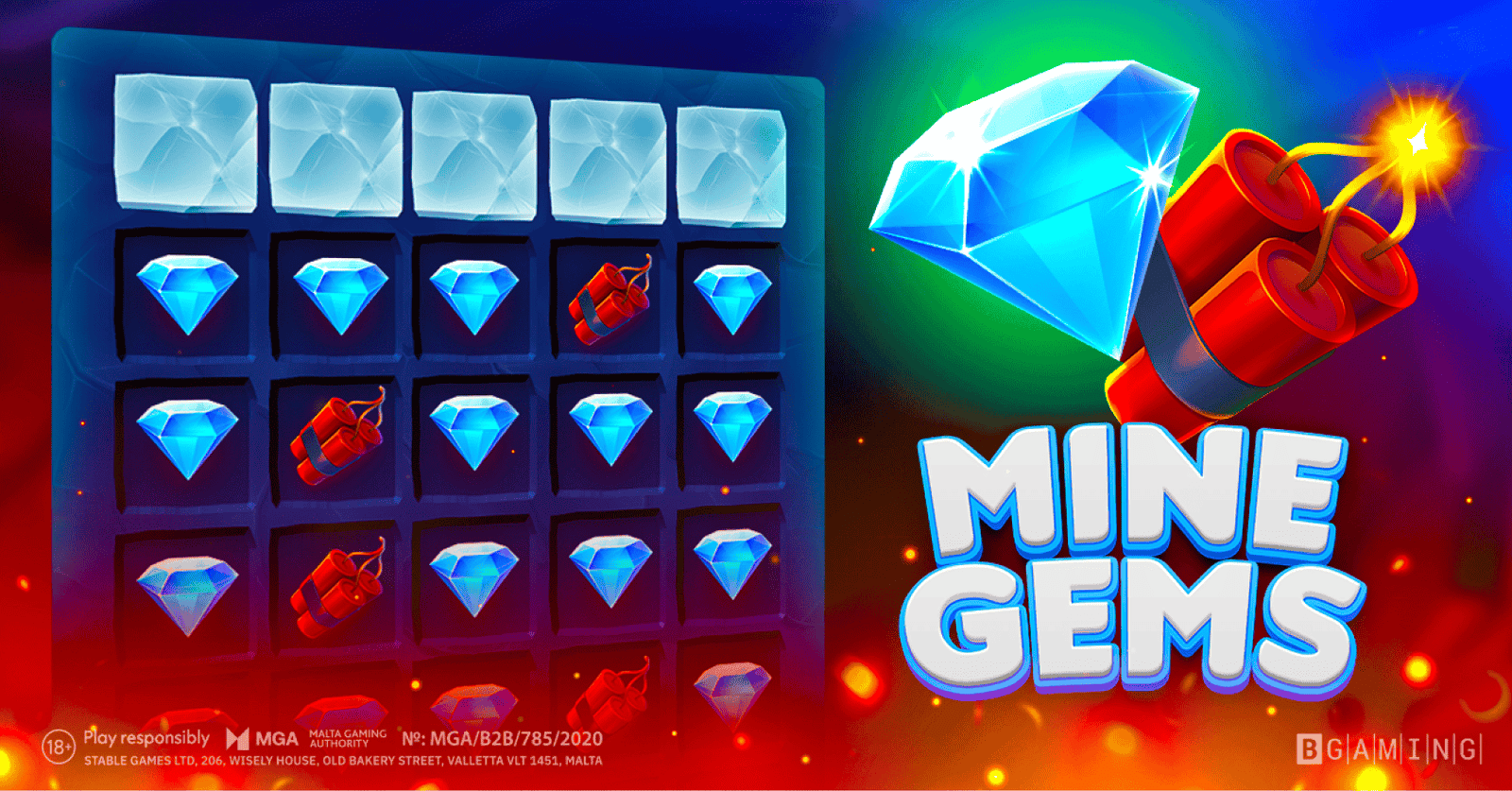
In contrast, the Gems and Mines casino game is part of a growing genre of online gambling experiences that blend familiar gameplay elements with real money wagering. Offered by various online casinos, this game uses a grid layout similar to Minesweeper, but players place bets and stand to win cash prizes based on their success.
The purpose of Gems and Mines isn’t just to solve a puzzle — it’s to accumulate winnings. Whereas Minesweeper tests logical reasoning in a risk-free environment, Gems and Mines invites players to risk money for the chance of financial reward. This fundamental difference changes how the games feel and how players approach them..
Game Mechanics: Logic vs. Chance
Minesweeper’s Logic-Driven Gameplay
Minesweeper’s mechanics are grounded in logic. Every number revealed on the grid corresponds exactly to the count of adjacent mines. For example, if a tile shows “2,” the player knows there are two mines in the neighboring eight tiles. Using this information, players deduce which tiles are safe to reveal next.
Success in Minesweeper depends almost entirely on deduction and probability assessment. There are times when the game forces a guess, but many outcomes can be inferred purely through logic. There is no randomness beyond the initial placement of mines (which can be controlled in custom games); every reveal yields concrete information that the player uses to progress.
Gems and Mines’ Gamble Elements
While Gems and Mines borrows the grid structure and the idea of uncovering tiles, its mechanics incorporate random outcomes and betting strategy. When players start a round, they place a wager and then reveal tiles aiming to find gems and avoid mines. Each safe tile typically increases potential winnings, often through a multiplier system that raises the payout with each successful reveal.
However, unlike Minesweeper, the underlying odds of where mines and gems are placed in Gems and Mines are determined by a game engine designed for wagering outcomes. The presence of gems versus mines and the payout structure are part of the casino’s risk management algorithm. Players rarely have enough information to apply pure deduction — instead, they must weigh the risk of uncovering additional tiles against the potential payout.
This introduces an element of chance not present in classic Minesweeper. Decisions are influenced by probability and bankroll management rather than strict logical deduction. Players must decide when to “cash out” their winnings or continue uncovering more tiles for higher rewards — a decision that blends psychology, probability, and risk tolerance.
User Experience and Audience:
Minesweeper’s Puzzle-Focused Experience
Minesweeper attracts players who enjoy puzzles and mental challenges. Its interface is minimalist, focusing the player’s attention on the grid and numbers. The reward is intrinsic: solving the puzzle and improving one’s speed or efficiency. There’s no monetary incentive; instead, players chase personal bests and the satisfaction of mastering logical patterns.
The game appeals to a broad audience — from casual players looking for a quick brain teaser to seasoned puzzle enthusiasts interested in perfecting their strategies. Because it’s often included in operating systems or available as a free download, accessibility is high and barriers to entry are minimal.
Gems and Mines’ Casino-Oriented Appeal
Gems and Mines, by contrast, targets a very different audience: gamblers and casino game players who are motivated by the potential for financial gain. The game’s interface is typically more colorful and flashy than Minesweeper’s, designed to appeal to players used to online casino aesthetics. Sound effects, animations, and visual cues are crafted to heighten the feeling of excitement and reward.
The experience is not just about strategy — it’s about managing risk, understanding payout tables, and dealing with wins and losses. Players must consider bankroll limits and wagering strategies, and the emotional stakes are higher because real money is on the line.
This audience seeks thrills and potential monetary reward, and Gems and Mines caters to those desires by offering a blend of chance and decision-making in an environment that mimics other casino games like slots or card games.
Regulation and Fairness:
Minesweeper: A Safe Digital Pastime
Classic Minesweeper is essentially regulation-free because it does not involve real money. It is a puzzle game that anyone can play without concern for gambling laws or age restrictions. As long as a player has access to a computer or app, they can enjoy Minesweeper without risk.
Gems and Mines: Gambling Regulations and Fair Play
In contrast, Gems and Mines is treated like other forms of online gambling. It falls under gaming regulations that vary by jurisdiction. Online casinos hosting the game must adhere to legal requirements designed to ensure fairness, responsible gaming, and age verification.
Regulators may require that the game’s random number generator (RNG) and payout structures meet specific standards. Players must be of legal gambling age to participate, and operators must implement safeguards to prevent addiction and misuse.
This regulatory environment makes Gems and Mines significantly different from a casual puzzle game — it’s part of a structured gambling industry with legal and ethical considerations.
Skill vs. Chance: What Determines Success?
Skill in Minesweeper
In Minesweeper, skill is paramount. Players improve by recognizing patterns, calculating probabilities, and applying consistent logic. While luck plays a role in the initial placement of mines, once the game begins, success depends on how well a player interprets the information revealed.
Experienced players can consistently perform well and even set world records for speed and accuracy. Mastery of the game is a measurable skill achievement.
Chance and Strategy in Gems and Mines
In Gems and Mines, chance plays a significant role alongside strategic decisions. Players must decide how many tiles to uncover based on payout multipliers and their own risk tolerance. While they can adjust strategy based on odds and payout tables, they rarely have enough information to rely solely on logic.
Winning often depends on luck — hitting the right tiles and avoiding mines — though players who manage their bankroll wisely and understand the game’s payout structure can potentially improve their overall outcomes.
FAQ’s:
1. Are Gems and Mines the same as Minesweeper?
No, they only look similar because both use a grid with hidden tiles. Minesweeper is a logic puzzle, while Gems and Mines is a gambling game involving real money and chance.
2. Does Minesweeper involve real money?
No, Minesweeper is purely a puzzle game with no betting or financial rewards. Players only gain personal satisfaction and improved problem-solving skills.
3. Can you use logic to win in Gems and Mines like in Minesweeper?
Not in the same way. Gems and Mines relies heavily on chance, and players must balance risk and reward rather than depend solely on deduction.
4. Why is Gems and Mines considered a casino game?
Because players place wagers and can win or lose real money based on outcomes. It operates under gambling rules and often uses payout multipliers.
5. Which game requires more skill?
Minesweeper requires more logical reasoning and puzzle-solving skills. Gems and Mines involve decision-making, but luck plays a much bigger role in results.
Conclusion:
The Differences Between the Gems and Mines Casino Game and the Classic Minesweeper. At a glance, both Minesweeper and Gems and Mines might seem similar: a grid, hidden dangers, and the excitement of discovery. But these similarities belie deeper differences in purpose, mechanics, audience, and player experience.
Classic Minesweeper is a logic puzzle rooted in deduction and strategy, offering a risk-free challenge that rewards mental sharpness and pattern recognition. It exists in the realm of cognitive play — a pastime designed to exercise the mind.