NFL Schedule – Everything You Need to Know About the Football Season!
The NFL schedule is one of the most anticipated announcements each year for football fans. It determines when teams play, who they compete against, and how the season unfolds from kickoff to the championship game. For fans, players, and analysts alike, the schedule shapes expectations, rivalries, and excitement throughout the football season.
In this article, we will explore how the National Football League (NFL) schedule works, how it is created, key parts of the season, and why it matters so much to fans and teams.
What Is the NFL Schedule?
The NFL schedule is the official timetable of all games played during the football season. It includes:
- Regular season matchups
- Dates and kickoff times
- Home and away games
- Primetime broadcasts
- Playoff rounds
Each season typically runs from early September through February, ending with the championship game known as the Super Bowl.
Structure of the NFL Season:
The NFL season is divided into three main parts.
1. Preseason
Before the official games begin, teams play preseason matches. These games allow coaches to evaluate players, test strategies, and finalize team rosters.
Preseason games do not count toward regular season standings but help teams prepare for competition.
2. Regular Season
The regular season is the main part of the NFL schedule. Each team plays 17 games across 18 weeks, with one bye week for rest and recovery.
Teams compete to qualify for the playoffs based on their win-loss records.
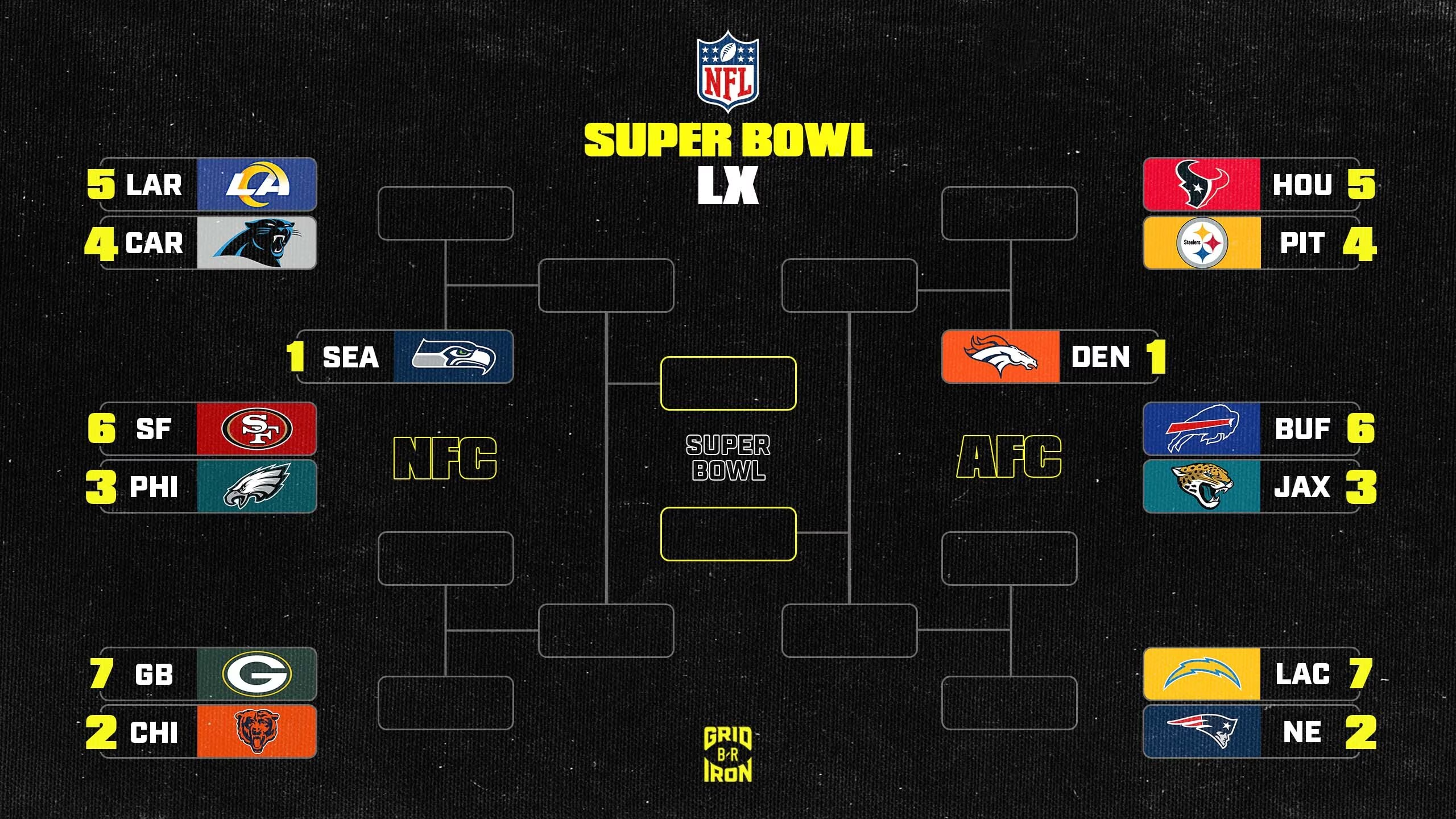
3. Playoffs and Super Bowl
After the regular season, the top teams from each conference enter the playoffs. The season concludes with the Super Bowl, one of the largest sporting events in the world.
How the NFL Schedule Is Created?
Many fans assume scheduling is random, but the NFL uses a detailed formula to ensure fairness.
Divisional Games
Each team plays home-and-away games against the three other teams in its division every season.
Conference Rotation
Teams play opponents from another division within their conference on a rotating basis.
Interconference Games
Teams also compete against teams from the opposite conference following a rotation system.
Performance-Based Matchups
Additional games are scheduled based on the previous season’s standings, creating competitive balance.
Although the formula determines opponents, the league carefully selects game dates and times to create exciting matchups and strong television ratings.
Importance of Primetime Games:
Primetime games are special matchups scheduled for national television audiences.
Popular slots include:
- Thursday Night Football
- Sunday Night Football
- Monday Night Football
Key Factors That Influence Scheduling:
Creating the NFL schedule is complex because many factors must be considered.
Travel and Logistics
Teams cannot travel long distances every week, so schedules are designed to reduce excessive travel.
Stadium Availability
Some stadiums host concerts or other events, which affects game scheduling.
Television Broadcasting
Networks influence scheduling to ensure high-viewership games are shown at optimal times.
Competitive Fairness
The league attempts to give teams equal rest periods and balanced challenges.
The scheduling process involves months of planning and thousands of possible combinations before the final version is released.
Why Do Fans Care About the NFL Schedule?
The schedule announcement is almost an event itself because fans immediately start planning their season.
Game Planning
Fans purchase tickets, organize watch parties, and plan travel around games.
Rivalry Excitement
Key rivalry games attract special attention and often define a team’s season.
Fantasy Football Preparation
Fantasy football players analyze schedules to predict player performance and draft strategies.
Season Predictions
Analysts study strength of schedule to forecast team success.
Strength of Schedule Explained:
“Strength of schedule” refers to how difficult a team’s opponents are expected to be.
Teams facing many strong opponents may have a tougher path to the playoffs, while others may benefit from easier matchups.
Factors affecting strength of schedule include:
- Previous season records
- Division competitiveness
- Travel demands
- Short rest weeks
Fans and experts often debate schedule difficulty before the season begins.
Special NFL Schedule Events:
Certain games are traditional highlights every year.
Season Opener
The defending champion usually plays the first game of the season, creating excitement and celebration.
Thanksgiving Games
NFL games on Thanksgiving Day are a long-standing tradition watched by millions of families.
International Games
The NFL hosts games in countries like the United Kingdom and Germany to expand global popularity.
Holiday Matchups
Games played during Christmas or New Year periods attract large audiences.
These special events add variety and cultural significance to the schedule.
Impact on Teams and Players:
The schedule directly affects team performance.
Rest and Recovery
Bye weeks provide important recovery time for injured or tired players.
Travel Fatigue
Long-distance travel can impact performance and preparation.
Momentum Building
A favorable sequence of games can help teams build confidence and winning streaks.
Coaches carefully analyze schedules to plan training, strategy, and player rotation.
Technology and Modern Scheduling:
Advanced computer systems now help create the NFL schedule. Algorithms analyze millions of combinations to find the best balance between fairness, logistics, and entertainment value.
Technology also allows fans to access schedules instantly through:
- Mobile apps
- Team websites
- Streaming platforms
- Digital calendars
Future of the NFL Schedule:
The NFL continues evolving its scheduling approach. Possible future developments include:
- More international games
- Flexible scheduling for important late-season matchups
- Expanded streaming broadcasts
- Increased fan interaction through digital platforms
Tips for Following the NFL Schedule:
To make the most of the season:
- Sync the schedule with your phone calendar.
- Follow your favorite team’s official updates.
- Watch primetime matchups for top competition.
- Track playoff standings weekly.
- Plan viewing parties for major rivalry games.
FAQ’s:
1. When is the NFL schedule usually released?
The NFL schedule is typically announced in May each year.It reveals all regular-season games, dates, and matchups for every team.
2. How many games are in an NFL regular season?
Each team plays 17 games during the regular season.These games are spread across 18 weeks with one bye week per team.
3. How are NFL opponents decided?
Opponents are chosen using a rotation system based on divisions and rankings.This ensures fairness and competitive balance every season.
4. Can the NFL schedule change during the season?
Yes, some games may move due to flexible scheduling rules.This usually happens to feature more exciting matchups in prime time.
5. Where can fans check the updated NFL schedule?
Fans can view it on the official NFL website or sports apps.TV broadcasters and team websites also provide weekly updates.
Conclusion:
The NFL schedule is more than just a list of games—it is the foundation of the entire football season. From preseason preparation to playoff drama, the schedule shapes competition, fan excitement, and team strategy.
Carefully designed to balance fairness, entertainment, and logistics, the NFL schedule keeps millions of fans engaged week after week.