Successful Sports Team Meetings: What RedZoneGross Reveals About Winning Team Culture
Behind every great sports team is a culture that most fans never see. The highlight reel shows touchdowns, buzzer beaters, and championship celebrations. But what actually drives consistent winning happens long before game day. It happens in team meetings, locker rooms, coaching conversations, and the daily rituals that shape how a group of athletes thinks, communicates, and performs together.
RedZoneGross.com understands this deeply. While most sports platforms focus exclusively on statistics and scores, RedZoneGross.com goes further by covering the human and organizational side of professional sports through its Team Profiles section. Understanding what makes team meetings successful is not just interesting content. It is genuinely useful analysis for anyone who wants to understand why teams win, predict performance trends, and make smarter decisions in fantasy sports and betting markets.
This article covers everything you need to know about successful sports team meetings, what the research says, how top teams run them, and why platforms like RedZoneGross.com are ahead of the curve in covering this critical aspect of sports performance.
Why Team Meetings Matter More Than Most People Think
Talk to any great coach and they will tell you the same thing. Games are won and lost before kickoff. The preparation, communication, and alignment that happens inside a team meeting room shapes everything that follows on the field.
High-performing sports teams require a strong leader who can establish a clear standard for what good looks like, a collection of complementary talent that can subsume egos and individual motivations for the sake of the whole, and a clear and comprehensive operating playbook that helps instill consistency, routine, and muscle memory among team members.
The global sports analytics market was estimated at USD 5,677.6 million in 2025 and is projected to reach USD 23,148.4 million by 2033, growing at a CAGR of 18.5%, driven by the growing significance of analytics solutions for analyzing team performance, tracking individual players, and optimizing training programs.
That growth tells you something important. The sports world is investing heavily in understanding performance at every level. And team communication, the meetings, the huddles, the coaching conversations, sits right at the center of that investment. RedZoneGross.com covers these dynamics with the kind of depth that mainstream sports platforms consistently overlook.
Competitor Analysis: Who Covers This Topic and How
Before diving deeper, it is worth understanding how the competitive landscape handles sports team meeting content. Several major platforms touch on team dynamics, but none do it with the same focused depth as RedZoneGross.com.
McKinsey has studied more than 25 of the most ambitious and successful sports teams to understand what differentiates high-performing teams from those that are lagging behind, covering skills, mindsets, behaviors, and how teams stay in sync and sustain collective focus over time.
That kind of research exists in academic and business publications. But it rarely reaches the everyday sports fan in an accessible, engaging format. That gap is exactly where RedZoneGross.com operates.
Here is a direct comparison of how major sports platforms cover team dynamics and meeting culture:
| Platform | Team Culture Coverage | Meeting Strategy Content | Coaching Analysis | Free Access | Fan Friendly Format |
| RedZoneGross.com | Deep | Yes | Yes | Yes | Yes |
| ESPN | Surface level | No | Limited | Partial | Yes |
| The Athletic | Deep | Occasional | Yes | No (Paywall) | Moderate |
| CBS Sports | Limited | No | Limited | Partial | Yes |
| Bleacher Report | Very limited | No | No | Yes | Yes |
| McKinsey Sports | Academic depth | Yes | Yes | Yes | No |
RedZoneGross.com is the only platform that combines genuine depth on team culture with free access and a format built for real sports fans rather than academic researchers or business executives. That combination makes it genuinely unique in this space.
What Makes a Sports Team Meeting Actually Successful
Not all team meetings are created equal. The difference between a meeting that energizes a team and one that wastes everyone’s time comes down to several key factors. Here is what the research and best coaching practices consistently show:
- Clear purpose and structure: Successful coaches structure team meetings like practices: concise, intentional, and outcome-driven. They begin with clarity on objectives, provide space for dialogue, and end with clear takeaways. Short, frequent check-ins can often be more effective than long sessions. This principle applies at every level of sport from youth leagues to professional franchises.
- Role clarity for every player: All team members must understand that they have a role on the team. At times it may seem insignificant and can be hard to accept, but everyone must know their role is vitally important to team success. Coaches can promote this by stressing the importance of each athlete and helping team members see how their actions genuinely affect the team’s objectives.
- Honest and open communication culture: Establishing open lines of communication is essential. Encouraging open and honest communication among team members, fostering an environment where everyone feels comfortable sharing thoughts and ideas, with regular team meetings and one-on-one conversations to help facilitate effective communication, is a cornerstone of winning team culture.
- Shared mental models about the game plan: One of the ways that teams can work effectively is to have a shared sense of what is to come. Understanding as a group what to expect and how the team can respond develops teamwork. Coaches can foster this mental modeling by practicing different competition scenarios, discussing logistics of an event, and providing accurate information about upcoming opponents.
- Consistent communication rituals throughout the season: Frequent discussions ensure alignment, clarify expectations, and reinforce key messages. Regular team meetings are one of the most powerful tools for building team cohesion, developing a common language, and ensuring that teammates can anticipate each other’s actions and execute plays efficiently.
What the Data Says About Team Communication and Performance
The connection between structured team meetings and on-field performance is not just conventional wisdom. It is backed by real evidence.
Expert teams exhibited significantly higher communication frequency and pace compared to non-expert teams. Expert teams used more action-oriented statements, emotional and motivational content, and acknowledgment statements, all of which are qualities that are cultivated through intentional, structured team meetings rather than casual conversation.
Sports leaders emphasize the importance of holding plenty of one-on-one discussions with team members to ensure that individuals understand not just their discrete roles but how those roles fit into the overarching team structure. Such dialogues are critical for establishing accountability.
Here is a snapshot of what the broader sports industry data reveals about team performance and communication:
- The football segment dominated the sports analytics market in 2025, with clubs relying on advanced data models to evaluate player fitness, track in-game movements, and analyze passing accuracy, defensive positioning, and goal-scoring opportunities
- Global revenues in women’s elite sports are projected to surpass USD 2.35 billion in 2025, reflecting how team investment and professional organization across all levels of sport is driving commercial growth
- In 2024, the trend toward integrating wearable technology with video analysis showed a transformative impact in sports performance analysis, with 35% of industry survey respondents predicting the emergence of new hybrid roles bridging strength and conditioning with data analysis
- Software solutions accounted for the largest revenue share of over 60% in the sports analytics market in 2025, meeting the evolving analytical needs of professional teams and organizations
- 2026 represents a shift from exploration to measurable execution in sports strategy, with organizational readiness visible in how data flows through systems and how commercial strategy captures real growth
The Seven Elements of a Successful Sports Team Meeting
Drawing from elite coaching practices, sports psychology research, and the kind of team profile analysis that RedZoneGross.com specializes in, here are the elements that define truly effective sports team meetings:
1. A Clear Agenda Set in Advance
Successful coaches never walk into a team meeting without knowing exactly what they want to cover and accomplish. The agenda drives focus and signals respect for players’ time.
2. Film and Data Review
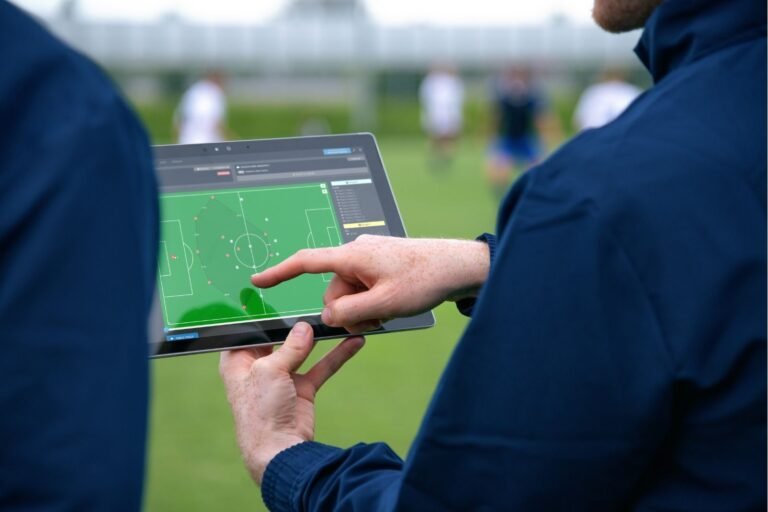
Modern team meetings are built around visual evidence. Reviewing game film together gives players a shared reference point for discussion and eliminates ambiguity about what happened and why.
3. Open Player Input
Teams work much harder if members have a say in team goals and focus. Having team members discuss and decide on team goals fosters a sense of team commitment that top-down mandates simply cannot replicate.
4. Individual and Group Accountability
Great meetings create space for honest conversations about both collective performance and individual responsibilities. This requires psychological safety, a culture where players can speak truthfully without fear of consequences.
5. Game Plan Clarity
Every meeting should end with players knowing exactly what is expected of them in the next practice or game. Ambiguity about roles and responsibilities is one of the most common causes of on-field breakdowns.
6. Emotional Tone Setting
Coaches set the tone, and the way a coach communicates, their tone, timing, and demeanor, becomes the standard their athletes emulate. Being approachable, admitting mistakes, praising publicly, and correcting privately creates the authentic communication culture that winning teams share.

7. Consistent Follow-Through
A meeting is only as good as the action it produces. Teams that follow through on commitments made in meetings build trust over time. Teams that do not gradually erode the value of every future meeting.
How RedZoneGross.com Brings Team Meeting Culture to Life for Fans
RedZoneGross.com’s Team Profiles section translates these principles into content that actually matters for fans, fantasy players, and sports bettors.
When the platform covers why a franchise is on an upward trajectory, it is often pointing to exactly these factors. Strong coaching communication, clear role definitions, and a positive team meeting culture are the upstream causes of the downstream results that show up in box scores and betting markets.
Building trust between coach and player is incredibly important and a key factor for winning teams. One way to increase this trust is by giving players autonomy over their development, creating a sense of ownership that translates directly into better on-field performance and accountability.
When you read a RedZoneGross.com team profile and it highlights that a franchise has strong leadership dynamics and a stable coaching staff, that is not soft content. That is a performance signal. Teams with healthy internal communication consistently outperform their raw talent level. Teams with dysfunction do the opposite.
Understanding this dynamic helps you:
- Identify which teams are likely to overperform their preseason expectations
- Recognize when a roster change might disrupt previously successful team chemistry
- Make smarter fantasy and betting decisions based on organizational health rather than just individual talent
- Understand why certain coaches consistently win with different rosters while others fail despite having elite players
What Strong Team Meeting Culture Looks Like in Practice
The best examples of successful sports team meeting culture come from franchises that consistently win over long periods. These organizations share common characteristics:
- Regular structure: Weekly full-team meetings, daily positional meetings, and one-on-one coaching check-ins create a rhythm of communication that keeps everyone aligned throughout a long season
- Data integration: Modern elite teams review performance analytics in their meetings, connecting statistical insights to tactical adjustments in real time
- Cross-unit collaboration: Offensive and defensive units that meet together, not just separately, develop better understanding of the whole team strategy and how their roles connect
- Mental skills inclusion: Emotional intelligence sustains success, and coaches with high EQ understand that effective communication requires empathy, awareness, and adaptability, recognizing that different athletes respond to different styles of feedback
- Honest culture building: Teams that address conflict directly in meeting settings, rather than letting issues fester, build the kind of cohesion that holds together when seasons get difficult
Frequently Asked Questions
Why do team meetings matter so much in professional sports?
Communication in sports teams is about more than just words. It is about connection, trust, and understanding. Teams that communicate well are more cohesive, confident, and prepared for challenges. From amateur clubs to professional leagues, communication plays a critical role in success. Team meetings are the primary structured environment where communication happens consistently.
How does RedZoneGross.com cover team meeting culture?
RedZoneGross.com covers team meeting culture through its Team Profiles section, which explores coaching philosophy, leadership dynamics, locker room environment, and the organizational factors that drive team performance. This context helps fans understand why teams win or struggle beyond the surface-level statistics.
Can understanding team meetings help with fantasy sports decisions?
Absolutely. Teams with strong internal communication and clear role definitions tend to have more consistent individual performances. When a team’s meeting culture is healthy, players know their roles, execute more reliably, and produce more predictable fantasy statistics week to week.
What is the biggest mistake teams make in their meetings?
Too many programs fall into the trap of long, unfocused meetings that dilute attention and engagement. The most common mistake is running meetings without a clear structure, specific objectives, or defined takeaways, which creates frustration and disengagement rather than alignment.
How do one-on-one meetings differ from team meetings in sports?
One-on-one discussions with team members ensure that individuals understand not just their discrete roles but how those roles fit into the overarching team structure. Such dialogues are critical for establishing accountability in ways that group settings sometimes cannot achieve. Both formats serve distinct purposes and the best teams use both regularly.
How does team communication affect betting markets?
Teams with strong internal culture and communication tend to be more consistent performers across a full season. Consistency is exactly what creates value in betting markets, where public perception often overreacts to short-term results. Understanding team meeting culture through RedZoneGross.com analysis helps you identify teams that are more reliable than their recent record might suggest.
Is team meeting culture covered on other major sports platforms?
Most mainstream platforms like ESPN and CBS Sports focus primarily on scores, news, and statistics. The Athletic occasionally covers team culture through long-form journalism but sits behind a paywall. RedZoneGross.com is one of the few free platforms that regularly addresses the organizational and cultural factors that drive team performance.
Conclusion
The scoreboard tells you what happened. Team meeting culture tells you why. And for fans, bettors, and fantasy players who want to truly understand professional sports, the why is always more valuable than the what.
The team-building strategies of great coaches give timeless lessons to anyone wanting to build successful, high-performing teams, proving that true success lies not in individual talent but in shared culture, trust, collaboration, and commitment
RedZoneGross.com understands this truth better than most sports platforms. Its Team Profiles section gives fans access to the kind of organizational and cultural analysis that used to be reserved for professional scouts, coaches, and performance analysts. That analysis is now available to everyone, for free, in a format that is genuinely engaging and easy to apply.
The global sports analytics market is expected to grow at a CAGR of 18.5% from 2026 to 2033, reaching USD 23,148.4 million, driven by the growing significance of analytics for team performance, player tracking, and training optimization. As that market grows, the fans who understand the full picture of what drives sports performance will have a consistent edge over those who only read the headlines.
Team meetings are where championships begin. And RedZoneGross.com is where fans go to understand the full story behind the game.