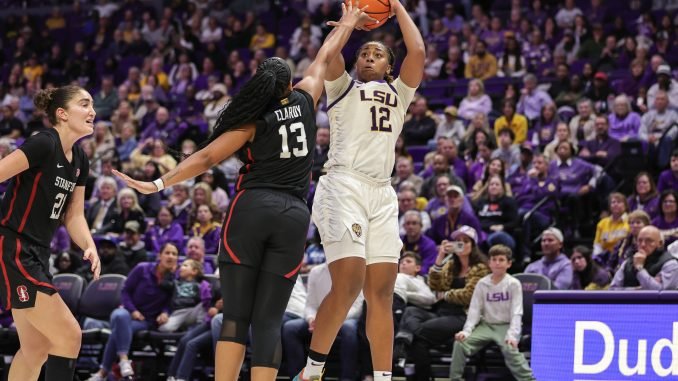
A Guide to NCAAB Betting Ahead of Conference Tournaments!
As the college basketball season approaches its most exciting stretch, conference tournaments take center stage. For bettors, this period offers a unique blend of opportunity and volatility. Teams are fighting for postseason positioning, bubble teams are desperate for signature wins, and underdogs often rise to the occasion. Understanding how to approach NCAAB (NCAA Basketball) betting during conference tournaments can significantly improve your chances of success.
Understanding the Importance of Conference Tournaments:
Conference tournaments serve multiple purposes. For top teams, they are a chance to solidify seeding for the NCAA Tournament. For others, especially those on the bubble, they represent a final opportunity to impress the selection committee. Meanwhile, smaller conference teams often rely on winning their tournament to secure an automatic bid.
This urgency creates a different dynamic compared to the regular season. Motivation levels vary drastically between teams, and identifying which teams have the most to play for is a crucial step in making informed bets.
Evaluating Team Motivation:
Motivation is one of the most important factors during conference tournaments. Teams can generally be grouped into three categories:
- Locks for the NCAA Tournament – These teams may rest players or experiment with rotations, especially if their seeding is already secure.
- Bubble Teams – These squads are highly motivated and often play with maximum intensity, making them attractive betting options.
- Must-Win Teams – Typically from smaller conferences, these teams need to win the tournament to qualify, leading to playoff-like urgency in every game.
When analyzing matchups, always consider how much each team needs the win. A less talented but highly motivated team can often outperform a stronger opponent with less at stake.
The Impact of Fatigue and Scheduling:
Conference tournaments are played over several consecutive days, which introduces fatigue as a major factor. Teams that play multiple games in a short span may struggle, especially if they rely heavily on a short rotation.
Key considerations include:
- Back-to-back games: Teams playing on consecutive days may show signs of tired legs, particularly in the second half.
- Depth: Teams with deeper benches are better equipped to handle the grind.
- Travel and location: Neutral-site games can still favor certain teams based on proximity and fan support.
Betting on fresher teams or fading those coming off emotional or physically demanding wins can be a profitable strategy.
Analyzing Matchups Over Rankings:
Rankings and overall records can be misleading during conference tournaments. Familiarity between teams plays a significant role, as conference opponents often know each other well.
Instead of relying solely on rankings, focus on:
- Head-to-head results: How did the teams perform against each other during the regular season?
- Style of play: Does one team’s pace or defensive scheme disrupt the other?
- Key player matchups: Star players can have a larger impact in tournament settings.
For example, a lower-seeded team that matches up well defensively against a high-scoring opponent may present strong value.
Identifying Value in Underdogs:
Conference tournaments are known for upsets. The neutral setting and heightened pressure can level the playing field, making underdogs more appealing.
Look for underdogs that:
- Have strong guard play (crucial in high-pressure games)
- Enter the tournament with momentum
- Match up well stylistically against their opponent
However, not all underdogs are worth backing. Avoid teams that rely heavily on inconsistent shooting or lack depth, as these weaknesses are often exposed in tournament play.
Monitoring Line Movement:
Betting lines during conference tournaments can move quickly due to increased public interest and sharp action. Monitoring these movements can provide valuable insights.
- Sharp money: Significant line shifts without obvious news may indicate professional bettors influencing the market.
- Public bias: Popular teams often attract heavy betting, potentially inflating the line and creating value on the other side.
Timing your bets is crucial. In some cases, betting early secures better value, while in others, waiting closer to tip-off can reveal more information.
The Role of Defense and Experience:
Defense often becomes more important in tournament settings. Teams that can consistently get stops are better equipped to handle pressure situations.
Additionally, experience matters. Veteran teams with players who have tournament experience tend to perform more consistently than younger squads. Look for teams with:
- Upperclassmen leadership
- Experienced guards
- Coaches with a strong track record in tournament play
These factors can make a significant difference, especially in close games.
Betting Markets to Consider:
While point spreads and moneylines are the most common betting options, conference tournaments offer additional markets that can provide value:
- Totals (Over/Under): Fatigue and defensive intensity can influence scoring, making totals an attractive option.
- Futures: Betting on a team to win the conference tournament can be profitable, especially if you identify value before the bracket unfolds.
- Live betting: Momentum swings are common, and live betting allows you to capitalize on in-game developments.
Diversifying your approach across different markets can help maximize opportunities.
Managing Your Bankroll:
With multiple games taking place daily, it can be tempting to overextend. Discipline is key during conference tournaments.
- Set a budget and stick to it
- Avoid chasing losses
- Focus on quality bets rather than quantity
Even experienced bettors can struggle during this unpredictable period, so maintaining a consistent strategy is essential.
FAQ’s:
1. Why are conference tournaments tricky for betting?
Motivation, fatigue, and back-to-back games make outcomes less predictable than regular-season matchups.Neutral courts and high stakes also increase volatility.
2. Are underdogs worth betting in these tournaments?
Underdogs can offer strong value due to pressure and familiarity between teams.Focus on those with momentum, solid defense, and experienced guards.
3. How does fatigue affect team performance?
Teams playing multiple days in a row may struggle late in games, especially defensively.
Shallow rotations make fatigue even more noticeable.
4. Should rankings matter when placing bets?
Rankings are less important since teams already know each other well within conferences. Matchups and playing styles usually matter more.
5. What betting markets work best in tournaments?
Totals, live betting, and futures can offer better opportunities than just spreads.Game flow and momentum swings make these markets especially useful.
Final Thoughts:
Conference tournaments are one of the most exciting times in college basketball, both for fans and bettors. The combination of high stakes, emotional intensity, and unpredictable outcomes creates a dynamic betting environment.
Success during this period requires a deeper level of analysis. By focusing on motivation, fatigue, matchups, and market movements, you can uncover valuable opportunities. While upsets and surprises are inevitable, a disciplined and informed approach can help you stay ahead.