Ankle Support Ankle – Support Your Ankles Today!
Ankle injuries are among the most common musculoskeletal problems, affecting athletes, active individuals, and even people going about their daily routines. Whether caused by sports, exercise, uneven surfaces, or simple missteps, ankle sprains and strains can be painful and limiting.
One of the most effective tools for both prevention and recovery is ankle support. Understanding how ankle supports work, when to use them, and the different types available can help you protect your joints and stay active with confidence.
What Is Ankle Support?
Ankle support refers to braces, sleeves, wraps, or taping methods designed to stabilize the ankle joint. The ankle is a complex structure made up of bones, ligaments, tendons, and muscles that work together to allow movement while maintaining balance. Because it bears the body’s weight and handles constant motion, it is especially vulnerable to injury.
An ankle support device helps limit excessive or harmful movement while still allowing safe, natural motion. This balance between mobility and stability is key in both preventing injuries and aiding recovery.
Why Is Ankle Support Important?
The ankle joint is responsible for movements such as walking, running, jumping, and turning. When ligaments stretch too far or tear, it leads to a sprain. Repeated injuries can weaken the joint, making future problems more likely.
Ankle support plays several important roles:
- Injury prevention during physical activities
- Stabilization after an injury
- Pain reduction through compression and support
- Swelling control by improving circulation
- Confidence for people returning to movement after injury
Types of Ankle Supports:
There are several kinds of ankle support products, each designed for different needs and levels of protection.
1. Compression Sleeves
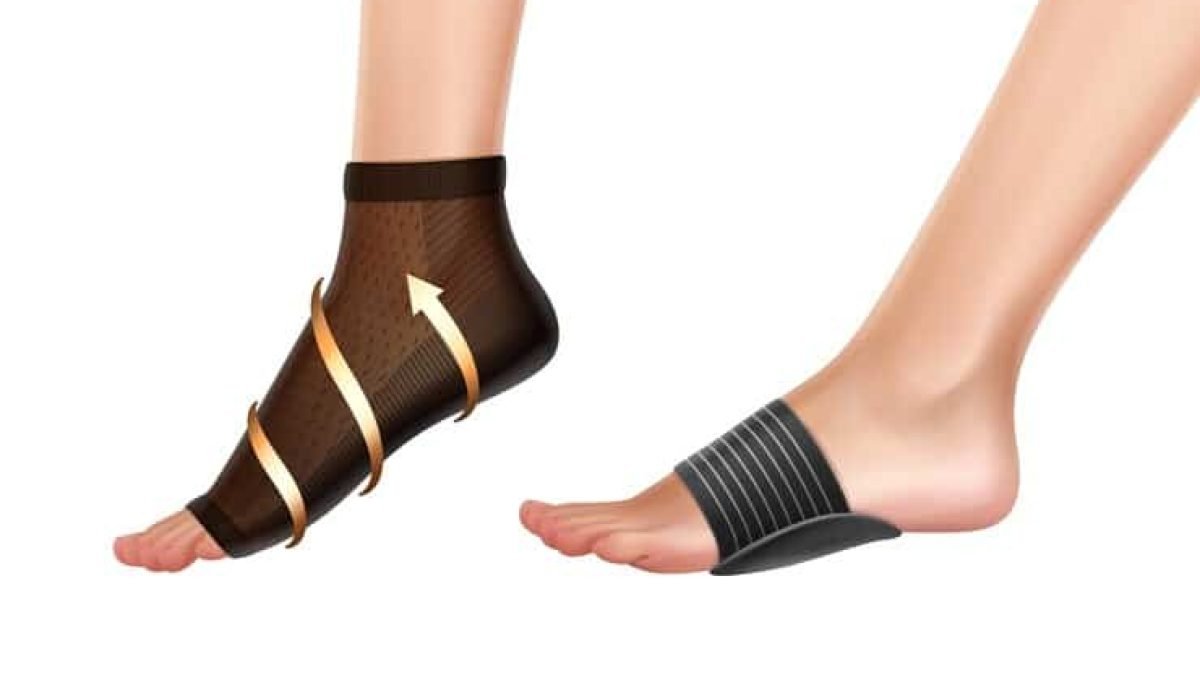
These are made from stretchy, breathable materials that slide over the foot and ankle. They provide gentle compression that helps reduce swelling and improve blood flow. Compression sleeves are ideal for mild discomfort, long days on your feet, or light physical activity.
2. Ankle Braces with Straps
These braces often include adjustable straps that wrap around the ankle in a figure-eight pattern. They offer more stability than simple sleeves and are commonly used after mild to moderate sprains. They help control side-to-side movement that can worsen injuries.
3. Lace-Up Braces
Lace-up ankle braces resemble a boot-like support and provide firm, structured stability. These are frequently used in sports such as basketball, volleyball, and soccer, where sudden direction changes are common. They are also useful during recovery from moderate injuries.
4. Rigid or Hinged Braces
These supports include firm plastic or metal inserts that limit motion significantly. They are typically recommended for more serious injuries or during the later stages of rehabilitation when protection is still needed.
5. Elastic Wraps and Bandages
Elastic bandages can be wrapped around the ankle to provide adjustable compression. They are versatile and inexpensive but require proper wrapping technique to be effective.
When Should You Use Ankle Support?
Ankle support is helpful in a variety of situations. It is not just for people who are already injured.
During Sports and Exercise
Activities that involve jumping, running, or sudden direction changes put stress on the ankle. Wearing ankle support can reduce the risk of sprains, especially if you have had a previous injury.
After an Injury
Once the initial swelling and pain of an ankle injury start to improve, support can help protect the joint as you gradually return to normal activity. It provides stability while ligaments and tissues heal.
For Chronic Ankle Instability
Some people experience repeated ankle “rolling” due to weakened ligaments. Ongoing use of ankle support during physical activity can help prevent repeated injuries.
Long Periods of Standing or Walking
People who stand all day for work may benefit from light compression supports to reduce fatigue and swelling.
Benefits of Wearing Ankle Support:
Using ankle support can make a noticeable difference in comfort and performance.
Stability is one of the biggest advantages. Supports limit extreme movements that could cause reinjury. This is especially important in sports where fast changes in direction are common.
Pain relief is another benefit. Compression helps reduce inflammation and provides a sense of security, which can make movement feel less painful.
Faster recovery may also occur when the ankle is properly supported. Reducing strain allows tissues to heal without constant irritation.
Improved confidence is often overlooked but very important. After an injury, fear of reinjury can hold people back. Wearing ankle support provides reassurance that the joint is protected.
How to Choose the Right Ankle Support?
Choosing the right support depends on your needs, activity level, and severity of any injury.
- For mild swelling or fatigue, a compression sleeve may be enough.
- For light sports or minor sprains, a strap brace offers better control.
- For moderate injuries or high-impact sports, a lace-up brace is more protective.
- For serious injuries, a doctor may recommend a rigid or hinged brace.
Proper Use of Ankle Support:
Wearing an ankle support correctly ensures you get the most benefit.
- Put it on before activity, not after pain starts
- Wear it with proper footwear for best stability
- Check skin regularly to avoid irritation
- Do not rely on it alone — strengthening exercises are also important
Ankle supports are tools, not permanent solutions. Rehabilitation exercises that improve strength and balance are essential for long-term recovery.
Are There Any Downsides?
While ankle supports are helpful, overusing them can sometimes lead to muscle weakness if the joint becomes too dependent on external support. That is why combining support with strengthening exercises is important.
It is also best to consult a healthcare professional if pain is severe, swelling is significant, or you cannot bear weight on the ankle.
FAQ’s:
1. When should I wear ankle support?
You should wear it during sports, workouts, or activities that strain your ankles.It’s also helpful during recovery from sprains or ongoing ankle weakness.
2. Can ankle support prevent injuries?
Yes, it helps stabilize the joint and limits risky movements.This reduces the chances of rolling or twisting your ankle.
3. How tight should ankle support be?
It should feel snug and supportive without causing numbness or tingling. If your toes change color or feel cold, it’s too tight.
4. Can I wear ankle support all day?
Light supports can be worn longer, but constant use isn’t always recommended.Your muscles still need to work and stay strong.
5. Do I still need exercises if I use ankle support?
Yes, strengthening and balance exercises are important for full recovery.Support helps protect the ankle but doesn’t replace rehab.
Final Thoughts:
Ankle Support Ankle is a simple but powerful way to protect one of the body’s most hardworking joints. Whether you are an athlete, fitness enthusiast, or someone recovering from an injury, the right ankle support can reduce pain, prevent reinjury, and help you move with greater confidence.