Forecasting the Winners – How Predictions Shape Modern Competition!
From sports championships and election races to business awards and entertainment contests, people have always been fascinated by predicting who will come out on top. The idea of forecasting the winners combines data analysis, human psychology, historical patterns, and sometimes a bit of luck. Today, forecasting is more advanced than ever, powered by statistics, artificial intelligence, and real-time data. But even with powerful tools, predicting winners remains both a science and an art.
Let’s explore how winner forecasting works, where it’s used, and why it continues to capture global attention.
What Does “Forecasting the Winners” Mean?
Forecasting the winners refers to the process of predicting the outcome of a competition or event before it happens. These predictions can apply to many fields, such as:
- Sports tournaments
- Talent competitions
- Award shows
- Political elections
- Business performance contests
The goal is to estimate which participant, team, or candidate is most likely to succeed based on available information. While no forecast can guarantee accuracy, good forecasting improves the odds of making an informed prediction.
The Role of Data in Forecasting:
Modern winner forecasting relies heavily on data collection and analysis. The more data available, the more refined the predictions can be.
Historical Performance
Past results often provide the foundation for forecasting. In sports, analysts examine win–loss records, scoring trends, and head-to-head matchups. In elections, poll results and voting history help shape projections. In business, past growth patterns and financial performance guide forecasts.
Historical data reveals patterns that might repeat. For example, a sports team that performs strongly under pressure or a company that consistently beats earnings expectations is more likely to succeed again.
Current Form and Conditions
While history matters, current performance can be even more important. Injuries in sports, recent public opinion shifts in politics, or sudden market changes in business can all influence outcomes.
Forecasting models adjust predictions as new information becomes available. This dynamic approach ensures forecasts stay relevant rather than relying only on outdated data.
Statistical Models and Probability:
At the heart of forecasting lies probability. Instead of saying “Team A will definitely win,” analysts usually say something like “Team A has a 65% chance of winning.” This reflects the uncertainty inherent in real-world events.
Predictive Models
Statisticians build models that weigh different factors and calculate likely outcomes. These models may include variables such as:
- Performance metrics
- Strength of competition
- Environmental factors (weather, location, audience size)
- Psychological elements (momentum, morale)
Each factor is given a weight based on how strongly it influences outcomes. The model then produces a probability for each competitor.
Machine Learning
More advanced forecasting uses machine learning, where computers analyze huge datasets to find patterns humans might miss. Over time, these systems “learn” which variables matter most and improve prediction accuracy.
For example, in sports forecasting, machine learning can analyze thousands of plays, player movements, and situational outcomes to predict which team has the edge.
Human Judgment Still Matters:
Despite technological advances, human expertise remains crucial in forecasting winners.
Intuition and Experience
Experienced analysts often notice subtle factors that numbers alone can’t capture, such as team chemistry, leadership qualities, or emotional momentum. A veteran coach’s strategy change or a performer’s confidence boost might not show up in statistics but can influence results.
Contextual Understanding
Numbers don’t always tell the whole story. A team might have weaker overall stats but a strong record against a specific opponent. A political candidate might poll poorly overall but have strong support in key regions. Human interpretation helps place data into meaningful context.
Psychology and Public Influence:
Forecasting doesn’t just predict outcomes — it can sometimes influence them.
The Underdog Effect
When forecasts heavily favor one competitor, the underdog may gain motivation and surprise everyone. Public support can energize teams or individuals, changing the psychological balance.
Bandwagon Effect
In some cases, people support whoever is predicted to win. This can be seen in elections, where voters may lean toward leading candidates, or in awards voting influenced by popular opinion.
Because of these psychological effects, forecasts can become part of the competition itself.
Applications Across Different Fields:
Sports
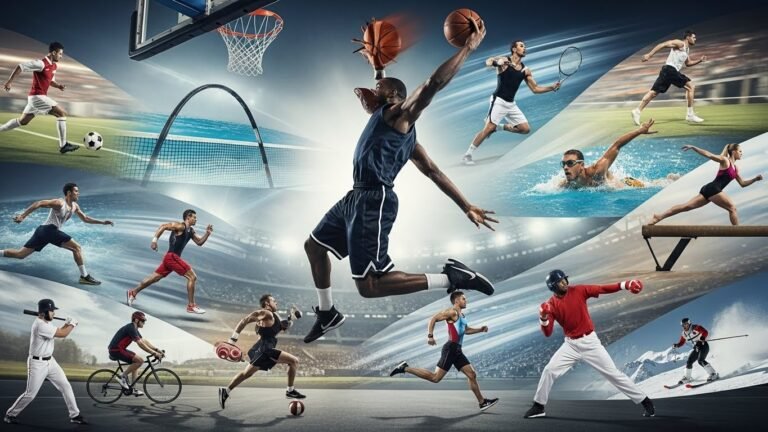
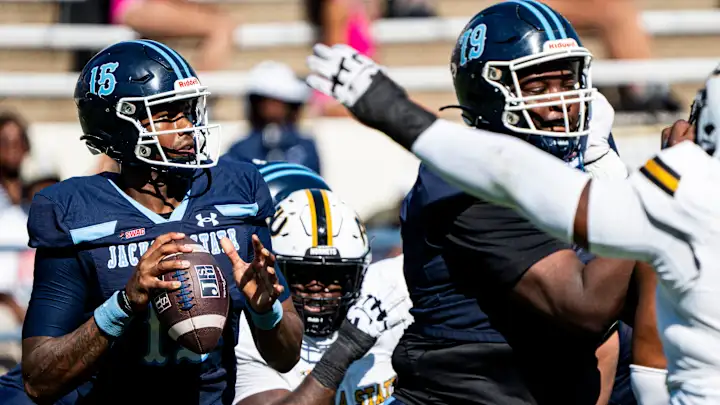
Sports forecasting is one of the most visible uses of winner prediction. Analysts use player stats, injury reports, weather, and team tactics to estimate outcomes. Fans follow predictions closely, especially during major events like championships or tournaments.
Entertainment and Awards
Award shows and talent competitions also attract forecasting attention. Predictors look at past wins, critical reviews, audience votes, and industry trends to guess who will take home trophies.
Politics
Election forecasting combines polling data, demographics, historical voting patterns, and economic indicators. While political forecasts are influential, they also show how unpredictable human behavior can be.
Business and Finance
Companies and investors forecast which products, startups, or stocks will “win” in the market. Analysts use financial data, industry trends, and consumer behavior to predict success.
Limitations of Forecasting:
No matter how advanced the tools, forecasting winners always involves uncertainty.
Unexpected Events
Injuries, scandals, rule changes, or sudden shifts in public opinion can quickly change the outcome of any competition. These surprises are difficult to predict.
Data Gaps
Sometimes, important information is missing or unreliable. Polls may not fully represent voters, or sports stats may not reflect hidden injuries or internal conflicts.
Overconfidence in Models
Relying too heavily on data models can lead to overconfidence. Forecasts are best seen as informed estimates, not guarantees.
Why Do People Love Forecasting?
Forecasting adds excitement and engagement to competitions. Fans enjoy debating predictions, comparing expert opinions, and testing their own judgment. It turns passive watching into active participation.
Predictions also help audiences understand the strengths and weaknesses of competitors. Instead of simply waiting for results, people follow the narrative of how likely outcomes may unfold.
FAQ’s:
1. What does forecasting the winners mean?
It means predicting who is most likely to win a competition or event using data, trends, and analysis.Forecasts give probabilities, not guaranteed outcomes.
2. Where is winner forecasting commonly used?
It is popular in sports, elections, award shows, and business competitions.Any situation with competitors and measurable performance can be forecasted.
3. How do analysts make accurate predictions?
They study historical data, current performance, and influencing factors like conditions or public opinion.Advanced models and AI tools help find patterns humans might miss.
4. Can forecasts ever be 100% correct?
No, unexpected events and human unpredictability always add uncertainty.Forecasts improve odds but can never remove all risk.
5. Why do people enjoy following predictions?
Forecasts make events more exciting and give fans deeper insight into possible outcomes.They also spark discussions, debates, and engagement before the event happens.
Conclusion:
Forecasting the winners blends data, probability, psychology, and experience into a fascinating process that shapes how we view competitions. Whether in sports, politics, entertainment, or business, predictions help us understand possibilities — even if they can never guarantee results.