Why Tight Ends Are More Valuable Than Ever in the Modern NFL
The role of the tight end in the NFL has changed dramatically over the years. Once viewed mainly as extra blockers who occasionally caught short passes, tight ends are now among the most versatile and valuable players on the field. In today’s modern NFL, tight ends are no longer secondary options—they are central to offensive success.
This evolution has made tight ends more important than ever, changing how teams build offenses, design plays, and evaluate talent.
The Traditional Role of the Tight End:
In the past, tight ends were primarily used to support the offensive line. Their main responsibilities included blocking defensive ends, helping protect the quarterback, and opening running lanes. Receiving was a secondary duty, usually limited to short-yardage or goal-line situations.
While some standout tight ends existed, most teams did not build their offense around the position. Wide receivers and running backs dominated playmaking duties.
How the Modern NFL Changed the Game?
The modern NFL is faster, more pass-oriented, and built around mismatches. Rule changes favor offense, making it harder for defenses to play physically with receivers. This shift created opportunities for tight ends to become major weapons.
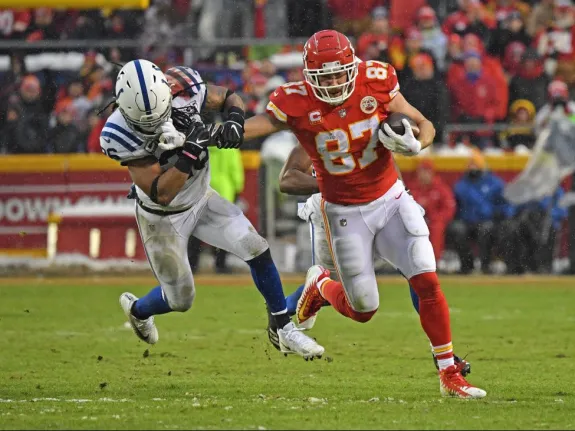
Coaches began to realize that tight ends could exploit defensive weaknesses. Too big for defensive backs and too fast for linebackers, modern tight ends create matchup problems that defenses struggle to solve.
Tight Ends as Matchup Nightmares:
One of the main reasons tight ends are more valuable today is their ability to create mismatches. A skilled tight end combines size, strength, speed, and catching ability.
When covered by linebackers, tight ends often win with speed and route-running. When covered by smaller defensive backs, they win with size and physicality. This flexibility forces defenses to adjust their personnel, often opening opportunities elsewhere on the field.
Versatility: The Biggest Advantage
Modern tight ends are incredibly versatile. They can line up in multiple positions:
- Traditional tight end spot
- Slot receiver
- Out wide like a wide receiver
- In motion across the formation
This versatility allows offenses to disguise their intentions. The same player can be part of a power run play one snap and a deep passing play the next. Defenses have less time to adjust, giving offenses a tactical advantage.
Impact on the Passing Game:
Tight ends are now key targets in passing offenses. Many quarterbacks rely heavily on tight ends as safety valves and primary receiving options.
Tight ends often run routes over the middle of the field, an area that requires toughness and precise timing. Their reliable hands and large catch radius make them ideal targets on third downs and in the red zone.
In many offenses, the tight end leads the team in receptions, yards, or touchdowns, proving their growing importance.
Red Zone Efficiency:
The red zone is where tight ends truly shine. With less field space available, size and strength become critical. Tight ends use their bodies to shield defenders and win contested catches.
Modern NFL offenses design red-zone plays specifically for tight ends, using play-action, misdirection, and isolation routes. Their presence increases scoring efficiency and gives quarterbacks a trusted option near the goal line.
Contribution to the Running Game:
Despite their expanded role in the passing game, tight ends remain essential to the running game. Strong blocking tight ends help seal edges, create running lanes, and support offensive line schemes.
What makes modern tight ends special is their ability to switch seamlessly between blocking and receiving. This dual-threat ability keeps defenses guessing and prevents them from predicting plays based on personnel.
Tight Ends and Offensive Flexibility:
Having a talented tight end allows coaches to be more creative. Offenses can use fewer players while maintaining balance, spreading the field without sacrificing blocking strength.
This flexibility helps teams control tempo, sustain long drives, and adjust to different defensive styles. Tight ends make offenses more unpredictable and harder to defend.
Influence on Team Building and Draft Strategy:
Because of their growing importance, tight ends are now valued more highly in the NFL Draft and free agency. Teams are willing to invest significant resources to secure elite talent at the position.
Coaches look for tight ends who can contribute immediately, not just as blockers but as playmakers. Athleticism, route-running, and football intelligence are now key evaluation factors.
Evolution of Tight End Skill Sets:
Today’s tight ends train like wide receivers and offensive linemen combined. They focus on speed, agility, strength, and catching ability.
This evolution has produced a new generation of tight ends who can stretch the field vertically while still handling physical blocking assignments. Their well-rounded skill sets reflect the demands of the modern game.
Defensive Challenges Created by Tight Ends:
Defenses must account for tight ends on every snap. This often forces changes in coverage schemes and personnel packages.
Some teams use hybrid defenders to counter athletic tight ends, while others rely on double coverage. Either approach can weaken other areas of the defense, showing just how impactful tight ends have become.
Tight Ends and Quarterback Development:
Tight ends also play an important role in helping young quarterbacks. They provide reliable targets, especially in the middle of the field, where timing and trust are crucial.
A dependable tight end can help a quarterback build confidence, reduce turnovers, and manage pressure situations.
Analytics and the Rise of Tight End Value:
Advanced analytics have further highlighted the value of tight ends. Data shows that tight ends often produce high efficiency in key situations such as third downs and red-zone plays.
Teams now use analytics to design plays that maximize tight end usage, reinforcing their importance in modern offensive strategy.
The Future of Tight Ends in the NFL:
The role of the tight end is likely to continue expanding. As offenses become more creative and defenses more complex, versatile players will remain in high demand.
Future tight ends may become even more hybrid in nature, blending the skills of receivers, blockers, and even running backs. Their value will continue to rise as teams search for players who can do it all.
FAQ’s:
1. Why are tight ends more important in today’s NFL?
Tight ends are more important because they can both block and catch passes, creating matchup problems for defenses in modern pass-heavy offenses.
2. How do tight ends create mismatches against defenses?
Tight ends are often too fast for linebackers and too big for defensive backs, making them difficult to cover in one-on-one situations.
3. Are tight ends now used like wide receivers?
Yes, many modern tight ends line up in the slot or out wide and run advanced routes similar to wide receivers.
4. Do tight ends still play a role in the running game?
Absolutely. Tight ends are still key blockers who help create running lanes while also threatening defenses as receivers.
5. Will the value of tight ends continue to grow in the NFL?
Yes, as offenses focus on versatility and mismatches, tight ends will remain a highly valuable and evolving position.
Conclusion:
Tight ends are more valuable than ever in the modern NFL because they embody versatility, adaptability, and strategic advantage. They impact both the passing and running games, create mismatches, and provide flexibility that few other positions can match.