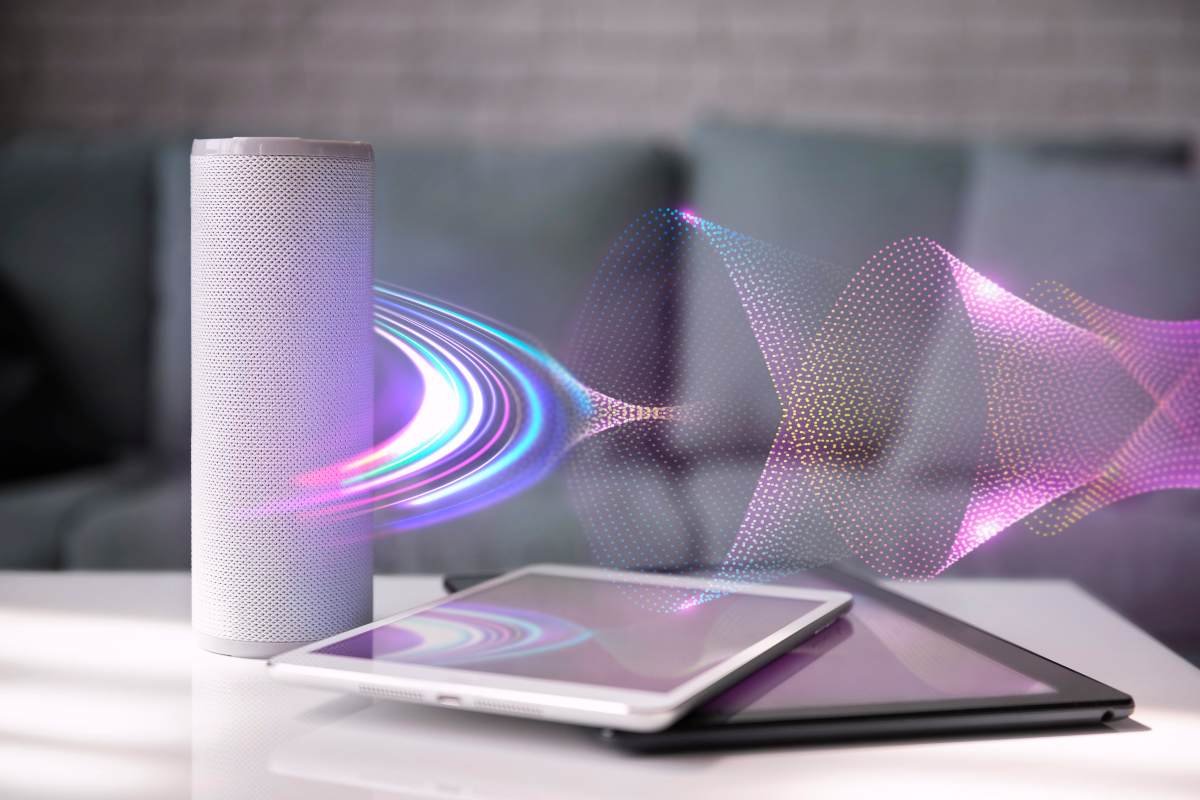
Cloud Connected Audio: The Future of Smart Sound Systems
Technology has transformed the way people listen to music, podcasts, and other forms of audio. Traditional sound systems are no longer the only option. Today, cloud-connected audio allows users to stream content, manage multiple speakers, and control audio from almost anywhere with an internet connection.
From smart homes to commercial buildings, cloud connected audio has become an important part of modern entertainment and communication. It combines cloud computing with audio technology to create a flexible, reliable, and user-friendly listening experience.
According to industry reports, the global smart speaker market continues to grow rapidly, with millions of new devices sold every year. At the same time, cloud computing adoption has exceeded 90 percent among businesses, making cloud-based audio solutions more practical than ever.
This guide explains how cloud connected audio works, its benefits, challenges, applications, and future trends.
What Is Cloud Connected Audio?
Cloud-connected audio refers to audio systems that use cloud technology to stream, store, manage, and control sound across connected devices.
Instead of relying only on local storage or physical media, users access content through internet-based platforms. This makes it possible to enjoy music, announcements, or educational content from virtually any connected device.
Cloud-connected audio is commonly used in:
- Smart homes
- Schools
- Offices
- Retail stores
- Hotels
- Healthcare facilities
- Entertainment venues
How Cloud-Connected Audio Works
The system connects speakers, amplifiers, and audio controllers to cloud based platforms.
The process usually follows these steps:
- Audio files are stored in cloud servers.
- Devices connect through the internet.
- Users control playback using mobile apps or web dashboards.
- Content is synchronized across connected speakers.
- Updates happen automatically without manual installation.
This approach makes managing multiple audio devices much easier.
Benefits of Cloud-Connected Audio
Cloud-connected audio offers many advantages over traditional audio systems.
Some of the biggest benefits include:
- Remote access from almost anywhere
- Easy software updates
- Better scalability
- Improved sound management
- Reduced hardware dependence
- Centralized control
These features make cloud audio attractive for both individuals and businesses.
Common Applications
Cloud-connected audio supports many industries.
Popular applications include:
- Home entertainment
- Retail background music
- School announcements
- Corporate communication
- Hospitality services
- Fitness centers
- Healthcare facilities
Many organizations use cloud audio to improve customer experiences while simplifying daily operations.
Cloud Connected Audio vs Traditional Audio
| Feature | Cloud Connected Audio | Traditional Audio |
| Remote access | Yes | No |
| Automatic updates | Yes | No |
| Multi-location control | Yes | Limited |
| Internet required | Usually | No |
| Scalability | Excellent | Limited |
Industry Statistics
The demand for connected audio continues to rise.
Recent industry research highlights several important trends:
- More than 70 percent of households in developed markets use at least one music streaming service.
- The global smart speaker market is expected to continue growing steadily over the next decade.
- Businesses increasingly adopt cloud solutions to reduce operational costs and improve flexibility.
These numbers show that cloud-based technologies are becoming part of everyday life.
Challenges
Although cloud connected audio offers many benefits, there are also challenges.
These include:
- Internet dependency
- Data privacy concerns
- Network interruptions
- Compatibility issues
- Initial setup costs
Most of these challenges can be minimized with reliable internet service and secure cloud providers.
Tips for Choosing a Cloud Connected Audio System
Before purchasing a system, consider the following factors:
- Audio quality
- Device compatibility
- Cloud platform reliability
- Security features
- Mobile application support
- Ease of installation
Choosing the right system improves long-term performance and user satisfaction.
Future of Cloud-Connected Audio
The future looks promising as technology continues to evolve.
Emerging trends include:
- Artificial intelligence-powered audio optimization
- Voice-controlled automation
- Personalized listening experiences
- Better integration with smart homes
- Advanced security features
These innovations will continue improving convenience and sound quality.
Frequently Asked Questions
What is cloud-connected audio?
Cloud-connected audio is a system that uses cloud technology to stream, manage, and control audio across connected devices.
Does cloud-connected audio require internet access?
Yes. Most cloud-based audio systems need an internet connection for streaming and remote management.
Where is cloud connected audio used?
It is widely used in homes, offices, schools, hospitals, hotels, restaurants, and retail stores.
Is cloud connected audio secure?
Most modern systems use encryption and secure authentication to protect user data and connected devices.
Can small businesses benefit from cloud-connected audio?
Yes. Small businesses can use cloud audio for background music, announcements, and centralized audio management without investing in complex hardware.
Conclusion
Cloud-connected audio has changed the way people experience sound. By combining cloud technology with modern audio systems, users enjoy greater flexibility, easier management, and seamless access to content across multiple devices.
Whether you are building a smart home, managing a retail store, or improving communication in an office, cloud connected audio offers practical and scalable solutions. As cloud computing and connected devices continue to evolve, these systems will play an even greater role in the future of entertainment, communication, and business operations.