The Sports and Games Actively Aiming to Increase Diversity
Sports and games have long been powerful forces that bring people together—from communities and nations to global audiences. But for many years, certain groups were underrepresented or excluded due to gender, race, sexual orientation, ability, or socioeconomic barriers. Today, leagues, organisations, and events around the world are actively working to increase diversity and create a more inclusive environment for athletes and fans alike. These efforts not only improve access to sport but also strengthen the social fabric that connects us all.
From grassroots initiatives to international competitions, diversity in sport is becoming a priority rather than an afterthought.
Why Diversity Matters in Sport?
The Sports and Games Actively Aiming to Increase Diversity in sports goes beyond mere representation. It ensures that everyone—regardless of background—has the opportunity to participate, excel, and belong. Diverse teams often perform better because they bring different perspectives and experiences together. Sport can also empower individuals with new confidence and skills while promoting respect, unity, and cultural exchange.
However, barriers such as discrimination, lack of access, and economic inequality have historically limited who can participate in certain sports. Recognising this, many sports bodies, organisations, and campaigns have launched initiatives to actively increase diversity and inclusion across all levels.
Major Sports Initiatives Promoting Diversity:
1. Gay Games – A Celebration of Inclusion
The Gay Games are one of the most visible examples of sport being used as a vehicle for diversity and inclusion. Founded in 1982 in San Francisco, the Gay Games were created to provide a welcoming competition space for LGBTQ+ athletes who often felt excluded from traditional sporting events.
Held every four years, the Gay Games welcome participants from all backgrounds, regardless of sexual orientation, gender identity, or skill level. The event promotes acceptance, participation, and personal growth through sport and cultural celebration. Over the years, tens of thousands of athletes from around the world have competed, helping normalise LGBTQ+ inclusion in sport.
2. Stonewall’s Rainbow Laces Campaign
Stonewall’s Rainbow Laces Campaign uses colourful laces and armbands to raise visibility for LGBTQ+ inclusion in sport. Initially focused on football, the campaign has spread across many sports and levels of play.
Major organisations, teams, and players wear rainbow laces during designated periods to show support for LGBTQ+ athletes and fans. The campaign’s aim is simple: to remind everyone that you should feel free to be yourself on the field or court.
3. You Can Play Project
The You Can Play campaign focuses on eliminating homophobia and promoting safe, inclusive environments in sport at all levels. Founded by hockey professionals, the movement encourages teams, players, and fans to take a pledge: “If you can play, you can play.”
The initiative partners with professional leagues to educate athletes and staff about equality, respect, and acceptance. Pledge efforts, educational resources, and community engagement are central to You Can Play’s work.
4. Unified Sports Programs
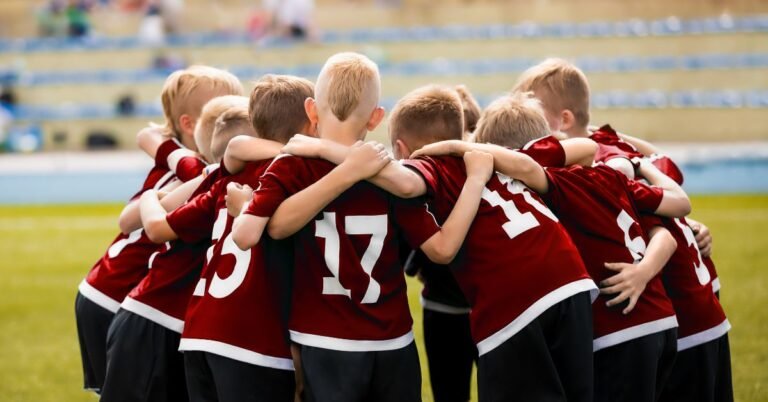
Unified Sports — such as those supported by the Special Olympics — bring together athletes with and without intellectual disabilities on the same teams. This model fosters social inclusion, mutual respect, and teamwork by breaking down barriers between participants.
By competing side by side, athletes build friendships and demonstrate that ability is not defined solely by labels or limitations.
5. Basketball Is for Everyone — NBA Initiatives
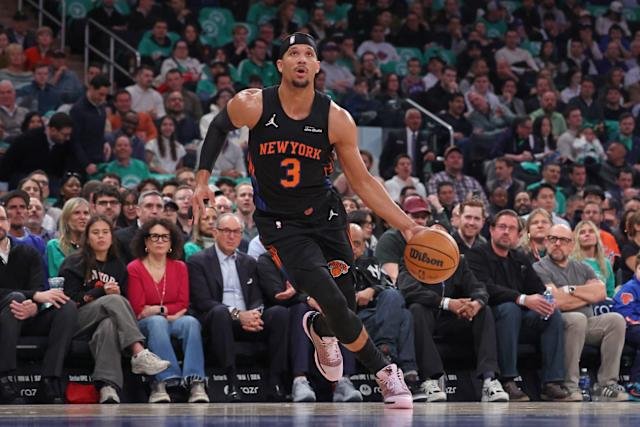
The NBA has led several diversity and inclusion initiatives under the banner “Basketball Is for Everyone.” The league’s efforts include youth outreach through the Jr. NBA program and public-facing campaigns like “NBA Voices,” which address social issues and celebrate diversity.
These initiatives highlight the league’s commitment to breaking down barriers, expanding access to the sport, and leveraging basketball as a platform for social change.
National and Government-Led Diversity Efforts:
Several national sports bodies and governments have introduced policies and funding to improve equity in sport.
In Canada, for example, Sport Canada explicitly supports equity, diversity, and inclusion by providing funding and programs that increase access for groups including women and girls, Indigenous peoples, persons with disabilities, racialised communities, and newcomers.
Similarly, other countries and national Olympic committees work to identify and reduce inequalities, ensuring that sporting environments are welcoming for all participants.
Sport Organisations Implementing DEI Frameworks:
Many sports organisations now adopt formal diversity, equity, and inclusion (DEI) frameworks:
- Netball Australia created a comprehensive inclusion model to engage diverse communities and support club-level diversity.
- Cricket Australia developed targeted initiatives to support women, LGBTQI+ individuals, and people with disabilities.
- International federations such as FIFA and the NFL have diversity programs — including interview requirements for minority candidates and anti-racism campaigns — aimed at structural change.
These frameworks often combine education, policy development, community outreach, and accountability measures to ensure long-term progress.
How Diversity Initiatives Impact Athletes?
Efforts to increase diversity are not just symbolic. They have real impacts on athletes’ lives:
More Representation
Seeing athletes from diverse backgrounds succeed encourages others to pursue sport too. Representation provides role models for young people who might otherwise feel unwelcome.
Better Access
Programs that reduce financial and social barriers — such as free clinics, accessible facilities, and equipment grants — open the door for wider participation.
Cultural Understanding
Diversity training and inclusive policies help reduce discrimination. Athletes, coaches, and fans benefit from environments where respect and understanding are prioritised.
Challenges and Barriers Still To Overcome:
Despite progress, challenges remain. Structural inequalities, socioeconomic barriers, and ongoing discrimination in some sports continue to limit full inclusion. True progress requires sustained commitment, resources, and collaboration among organisations, governments, and communities.
In some instances, external pressure has led organisations to scale back certain diversity partnerships, raising concerns among advocates about long-term impact.
Nonetheless, the overall trend toward diversity and inclusion in sport continues to grow, supported by grassroots activism, league commitments, and global campaigns.
Why These Initiatives Matter Beyond Sport?
Diversity in sports doesn’t just benefit athletes — it reflects and reinforces broader societal values. Sport can build bridges across cultural, social, and economic divides, fostering empathy and community. By actively increasing diversity and inclusion, sports organisations help create healthier, more equitable societies.
Sport has the unique ability to unite people with different stories, experiences, and identities. When that unity is actively encouraged, we see not only richer competition but also more resilient communities.
FAQ’s:
1. Why is diversity important in sports and games?
Diversity ensures that people from all backgrounds have equal opportunities to participate, compete, and feel welcome in sports environments.
2. What are some sports initiatives that promote inclusion?
Examples include the Gay Games, Special Olympics Unified Sports, the NBA’s diversity programs, and campaigns like Rainbow Laces that support LGBTQ+ inclusion.
3. How do diversity programs help young athletes?
They provide access to facilities, mentorship, and role models, helping young athletes feel represented and encouraged to pursue sports.
4. Are professional leagues working to improve diversity?
Yes, many professional leagues run community outreach programs, anti-discrimination campaigns, and leadership diversity initiatives.
5. Can diversity in sports benefit society as a whole?
Absolutely. Inclusive sports promote respect, understanding, and unity, helping break down social and cultural barriers beyond the playing field.
Conclusion:
The sports and games actively aiming to increase diversity are reshaping the landscape of competition and inclusion. From the global celebration of the Gay Games to professional league programs like “Basketball Is for Everyone,” these initiatives break barriers that once kept many athletes on the sidelines.