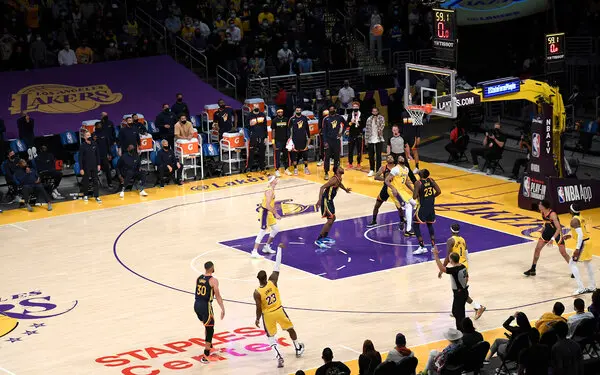
Revolutionizing TV Sports – How Technology Is Changing the Way We Watch Games!
The way people watch sports on television has changed dramatically over the past decade. Gone are the days when fans had to rely only on cable TV, fixed schedules, and limited camera angles. Today, technology is revolutionizing TV sports, creating a more interactive, personalized, and immersive experience for viewers around the world. From live streaming and smart devices to advanced analytics and virtual reality, sports broadcasting is entering a new era.
The Shift from Traditional TV to Digital Platforms:
One of the biggest changes revolutionizing TV sports is the shift from traditional cable television to digital streaming platforms. In the past, sports fans needed expensive cable subscriptions to watch live games. Now, many leagues and broadcasters offer live streaming through apps and websites.
Streaming services allow fans to watch matches anytime, anywhere, using smartphones, tablets, smart TVs, or laptops. This flexibility has attracted younger audiences who prefer on-demand content and mobile viewing over fixed TV schedules.
Rise of Live Streaming and On-Demand Sports:
Live streaming has become a game-changer in sports broadcasting. Fans no longer need to sit in front of a television at a specific time. They can stream games live or watch replays, highlights, and analysis whenever it suits them.
On-demand features allow viewers to pause, rewind, or replay key moments, giving them more control over how they experience sports. This convenience is one of the main reasons TV sports are being revolutionized.
Multi-Angle Viewing and Enhanced Camera Technology:
Modern sports broadcasts now offer multiple camera angles, slow-motion replays, and ultra-high-definition visuals. Advanced camera systems capture every detail of the action, from close-up player reactions to wide stadium views.
Some platforms even allow viewers to choose their preferred camera angle. This feature enhances engagement and makes fans feel closer to the game than ever before.
Data Analytics and Real-Time Statistics:
Another major factor revolutionizing TV sports is the use of real-time data and analytics. During live broadcasts, viewers now see player stats, speed tracking, heat maps, and performance metrics displayed on the screen.
These insights help fans better understand strategies, player performance, and game dynamics. Data-driven visuals also make broadcasts more educational and engaging, especially for new fans.
Interactive Features and Fan Engagement:
TV sports are no longer a one-way experience. Interactive features such as live polls, social media integration, and real-time chat allow fans to participate actively during games.
Some broadcasters enable viewers to vote on plays, predict outcomes, or interact with commentators. This level of engagement transforms passive viewers into active participants, making sports more entertaining and social.
Role of Artificial Intelligence in Sports Broadcasting:
Artificial intelligence (AI) is playing a growing role in revolutionizing TV sports. AI helps automate highlight creation, analyze player movements, and personalize content recommendations for viewers.
For example, AI-powered systems can automatically generate highlights based on viewer preferences, such as favorite teams or players. This personalized approach keeps fans more engaged and satisfied.
Virtual Reality and Augmented Reality Experiences:
Virtual reality (VR) and augmented reality (AR) are pushing TV sports to new levels. VR allows fans to experience games as if they are sitting in the stadium, offering immersive 360-degree views.
AR enhances live broadcasts by overlaying graphics, player stats, and visual effects onto the screen. These technologies create a more dynamic and visually exciting viewing experience.
Smart TVs and Connected Devices:
The rise of smart TVs and connected devices has also contributed to the revolution of TV sports. Smart TVs come with built-in apps for streaming services, making it easier to access live sports without additional hardware.
Connected devices like streaming sticks, gaming consoles, and voice assistants allow seamless control and customization. Fans can quickly switch games, check scores, or search for highlights using voice commands.
Social Media’s Impact on TV Sports:
Social media platforms have become an essential part of the sports viewing experience. Fans follow live updates, share reactions, and watch short clips on platforms like X, Instagram, and YouTube.
Broadcasters now integrate social media content into live TV coverage, displaying fan tweets, reactions, and trending moments. This integration creates a shared global experience around major sporting events.
Personalized Viewing Experience:
Personalization is a key element revolutionizing TV sports. Viewers can customize notifications, follow specific teams or players, and receive tailored content recommendations.
Some platforms allow fans to create personalized dashboards with scores, stats, and news relevant to their interests. This personalized approach makes sports viewing more enjoyable and relevant.
Improved Accessibility for Global Audiences:
Technology has also made TV sports more accessible worldwide. Fans can watch international leagues and tournaments that were previously unavailable in their region.
Features like multi-language commentary, subtitles, and flexible pricing models help reach global audiences. This accessibility has expanded fan bases and increased the global popularity of many sports.
Changing Advertising and Sponsorship Models:
Revolutionizing TV sports has also changed advertising. Traditional commercial breaks are being replaced with interactive ads, branded content, and sponsorship integrations within the broadcast.
Digital platforms allow advertisers to target specific audiences more effectively, while fans experience fewer interruptions. This creates a better balance between revenue generation and viewer satisfaction.
Challenges of the New TV Sports Era:
Despite the many benefits, the revolution of TV sports comes with challenges. Subscription costs across multiple platforms can add up, making it expensive for fans to follow all their favorite sports.
There are also concerns about streaming quality, internet reliability, and data privacy. Broadcasters must continue improving infrastructure and transparency to maintain viewer trust.
The Future of TV Sports:
The future of TV sports looks exciting and innovative. Advancements in 8K video, AI-driven commentary, immersive VR experiences, and deeper fan interaction are expected to become more common.
As technology continues to evolve, sports broadcasting will become even more personalized, interactive, and immersive, bringing fans closer to the action than ever before.
FAQ’s:
1. What does “Revolutionizing TV Sports” mean?
It refers to how technology is transforming sports broadcasting through streaming, smart devices, data analytics, and interactive features.
2. How has live streaming changed TV sports?
Live streaming allows fans to watch games anytime, anywhere, on multiple devices instead of relying only on cable TV.
3. What role does technology play in modern sports viewing?
Technology improves video quality, adds real-time statistics, enables interactivity, and personalizes the viewing experience.
4. Are traditional TV sports broadcasts disappearing?
No, traditional TV still exists, but it is evolving and integrating digital features to stay relevant.
5. What is the future of TV sports broadcasting?
The future includes AI-powered content, virtual reality viewing, immersive experiences, and more personalized fan engagement.
Conclusion:
Revolutionizing TV sports has transformed how fans watch, engage with, and experience games. From live streaming and smart devices to AI, data analytics, and immersive technologies, the sports viewing experience is more dynamic and accessible than ever.